Taylor Swift ‘Nazi’ Allegations: Coordinated Online Attack Revealed
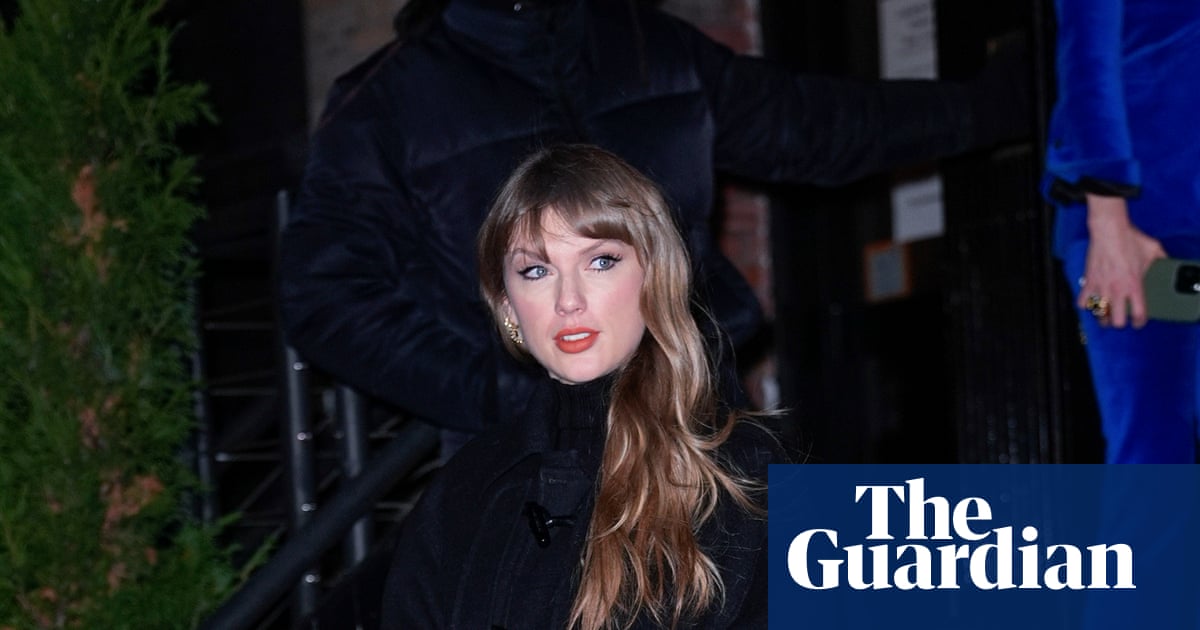
Coordinated Disinformation Campaign Targeted Taylor Swift Following Album Release
A meticulously orchestrated online campaign sought to damage Taylor Swift and her latest album, The Life of a Showgirl, by falsely linking her work to Nazi imagery and far-right ideologies. The effort, revealed in a new report by the AI-driven behavioral intelligence platform Gudea, utilized a network of accounts designed to amplify outrage and spread conspiracy theories.
From Niche Forums to Mainstream Algorithms
The attacks began shortly after the album’s October 4th release, initially gaining traction on fringe online spaces like 4chan before migrating to mainstream social media platforms. The core allegation centered around a lightning bolt-style necklace featured in Swift’s merchandise, which detractors falsely claimed resembled the insignia of the SS. Further accusations included “dogwhistle” references within the album’s lyrics and unsubstantiated ties to the MAGA movement. The campaign wasn’t about genuine critique, but about creating a narrative, regardless of its veracity.
Gudea’s analysis, encompassing over 24,000 posts and 18,000 accounts across 14 platforms between October 4th and 18th, revealed a highly concentrated effort. A mere 3.77% of accounts were responsible for 28% of all discussion surrounding Swift during that period. A significant spike in bot-like activity occurred between October 6th and 7th, with 35% of posts originating from these automated or inauthentic accounts. This coordinated push demonstrates a deliberate attempt to manipulate online conversation and influence public perception.
The Algorithm’s Reward: Outrage and Engagement
The goal, according to Gudea founder and CEO Keith Presley, wasn’t necessarily to convince people of the false claims, but to generate engagement. “That’s part of the goal for these types of narratives… Especially with these inflammatory ones – that’s going to get rewarded by the algorithm,” Presley told Rolling Stone. “You’ll see the influencers jump on first, because it’s going to get them clicks.” Even disagreement with the allegations fueled the algorithm, amplifying the reach of the disinformation.
This tactic highlights a critical vulnerability in the current social media landscape. Platforms prioritize engagement, often rewarding sensational and controversial content, regardless of its factual basis. The Swift case serves as a stark example of how easily false narratives can be weaponized and spread, exploiting the very mechanisms designed to connect people.
Beyond Swift: A Network of Disinformation
The Gudea report uncovered a disturbing pattern extending beyond the attacks on Swift. Researchers identified a “significant user overlap” between the accounts pushing the “Nazi” narrative and those involved in a separate astroturfing campaign targeting actress Blake Lively, who is currently involved in a sexual harassment lawsuit against Justin Baldoni. Lively also has a long-standing friendship with Swift, suggesting a potential motive for attempting to discredit both women simultaneously.
This interconnectedness points to a broader “cross-event amplification network” that strategically injects misinformation into celebrity-driven controversies. The report suggests a deliberate effort to exploit existing cultural tensions and leverage the attention surrounding high-profile figures to spread disinformation. This isn’t an isolated incident; it’s a pattern of behavior designed to destabilize public discourse.
The Power of Narrative and the Eras Tour
While the disinformation campaign was largely unsuccessful in swaying public opinion, it underscores the power of narrative control in the digital age. The researchers noted that the false narrative successfully drew comparisons between Swift and Kanye West, demonstrating how a strategically seeded falsehood can reshape public perception, even among those who don’t believe the original claim. This is particularly concerning given Swift’s immense cultural influence. According to the Statista, Taylor Swift generated over $100 million in revenue in 2023 alone, demonstrating her significant economic and cultural impact.
Interestingly, some critics have also raised legitimate questions about the themes explored in The Life of a Showgirl, specifically pointing to the song “Cancelled!” as potentially problematic. The song, which welcomes social pariahs, could be interpreted as offering a platform to individuals who have faced consequences for harmful behavior. This nuance, however, is distinct from the malicious disinformation campaign aimed at falsely associating Swift with extremist ideologies.
As Swift prepares for the release of The End of an Era, a six-part Disney+ docu-series offering a behind-the-scenes look at her record-breaking Eras tour, the incident serves as a reminder of the challenges facing public figures in the age of social media. The Eras tour itself was a monumental success, grossing over $1 billion globally, solidifying Swift’s position as a global entertainment powerhouse. The docu-series is expected to further amplify her influence and provide a platform to address the ongoing challenges of navigating the digital landscape.
The coordinated attack on Taylor Swift is a cautionary tale about the weaponization of disinformation and the vulnerabilities of social media algorithms. It highlights the need for increased vigilance, critical thinking, and proactive measures to combat the spread of false narratives in the digital age. This incident isn’t just about one pop star; it’s about the integrity of public discourse and the future of online communication.