Vibrationer Make Exercise Easier & More Enjoyable | New Study Reveals Brain Hack
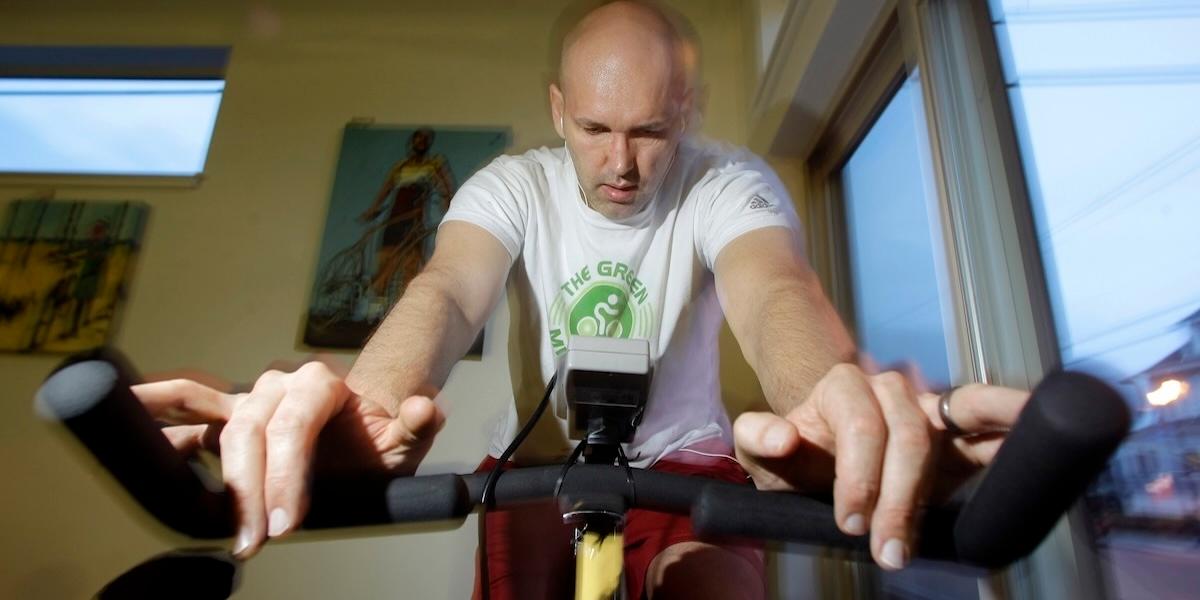
Vibration Therapy Could Make Exercise Feel Easier, Study Suggests
For many, the thought of a workout conjures images of sweat, strain, and a general feeling of… unpleasantness. But what if exercise could actually feel good? New research suggests a surprisingly simple intervention – vibration applied to tendons – could be the key to making physical activity more enjoyable and accessible.
A study conducted by researchers at McGill University in Montreal found that applying localized vibrations during exercise significantly altered participants’ perception of effort. Instead of feeling like a grueling task, workouts became more manageable, even fun. Participants were able to exert themselves more and maintain a higher intensity, all while reporting a lower sense of strain.
“It’s the first time we’ve seen this work with this type of training,” explains Professor Benjamin Pageaux, lead researcher on the study. “The vibrations seem to change how the brain processes signals from the muscles, effectively ‘tuning down’ the feeling of exertion.”
How Does it Work? A Deep Dive into Sensory Signals
The study focused on understanding how sensory feedback influences the brain’s assessment of effort during physical activity. The core principle revolves around the body’s natural communication system. When muscles work, they send signals to the brain indicating the level of strain. These signals contribute to our overall perception of how “hard” we’re working.
Professor Pageaux and his team discovered that by introducing vibrations directly onto the tendons, they could modulate these signals. “Depending on the amplitude and frequency of the vibration, we can either stimulate or inhibit neurons in the spinal cord,” he explains. Essentially, they can ‘trick’ the brain into thinking the exercise is less demanding than it actually is.
This isn’t about reducing physical output; participants actually increased their performance – demonstrating higher power output and elevated heart rates – despite not feeling like they were pushing themselves harder. This suggests a disconnect between physical exertion and perceived effort.
Implications for Public Health: A Potential Game Changer
The implications of this research extend far beyond the laboratory. Globally, physical inactivity is a major public health concern, contributing to a wide range of chronic diseases, including heart disease, type 2 diabetes, and certain types of cancer. According to the World Health Organization, approximately 80% of adults do not meet the recommended levels of physical activity.
One of the biggest barriers to exercise is the perception of it being unpleasant. If this perception can be altered, it could encourage more people to adopt a regular exercise routine. This is particularly relevant for individuals who are hesitant to start exercising due to fear of discomfort or pain.
“By better understanding how the brain evaluates the relationship between effort and reward during exercise, we hope to promote more regular physical activity,” says Professor Pageaux. “It could transform exercise from a chore into a genuinely enjoyable part of daily life.”
The initial study involved short bursts of exercise, such as a few minutes on a stationary bike. However, researchers are optimistic that the findings can be applied to a wider range of activities and exercise intensities. Further research is planned to explore the long-term effects of vibration therapy and its potential applications for different populations, including older adults and individuals with chronic pain.