China’s Tech Rise: Strengths, Weaknesses & US Conflict Fears
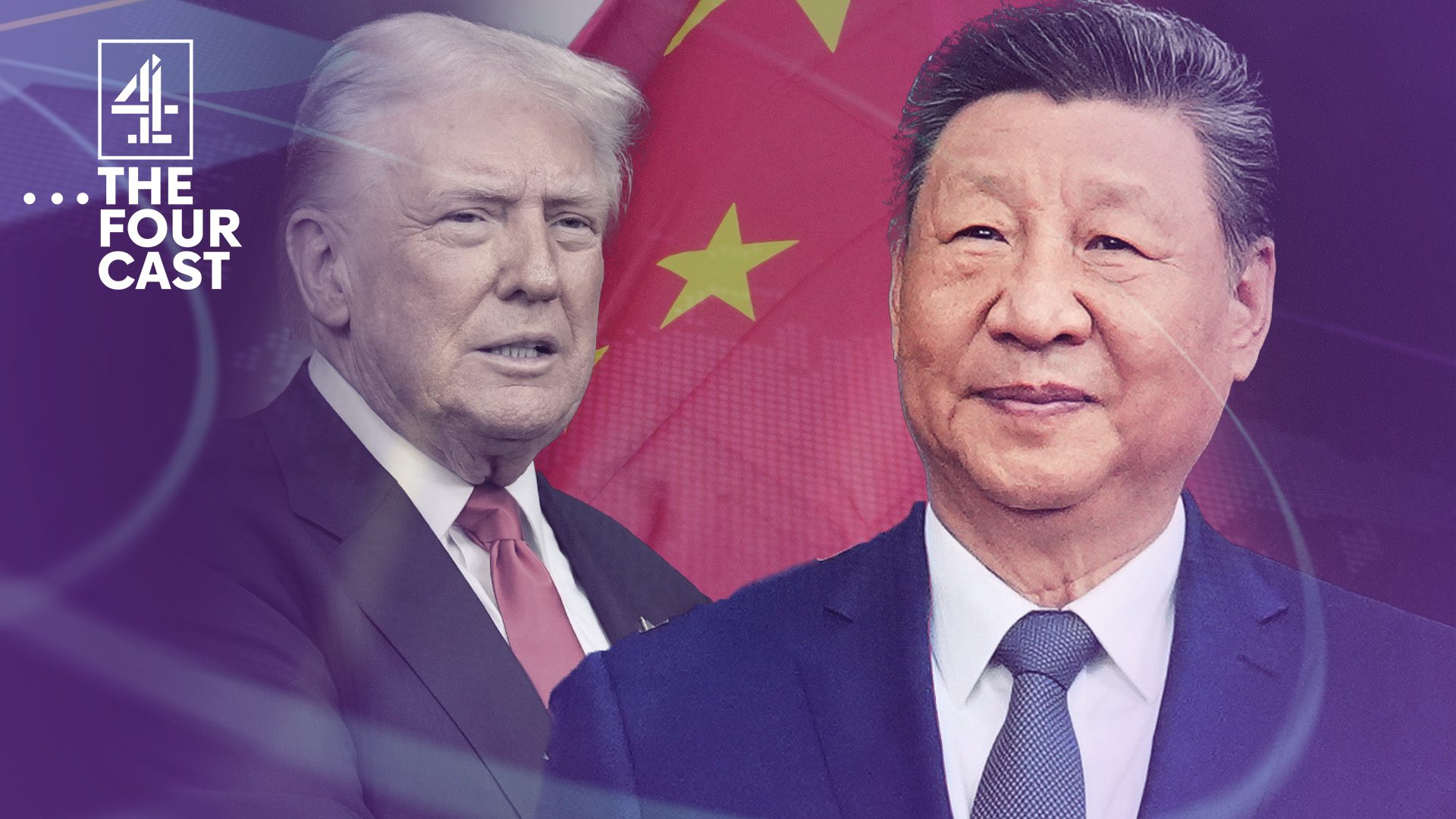
China’s Tech Ambitions Face a Human Cost, Raising Questions for Investors
BEIJING – China’s relentless pursuit of technological dominance, fueled by substantial state investment and a vast domestic market, is encountering an unexpected hurdle: a growing sense of exhaustion and disillusionment among its younger generation. While Beijing aggressively pushes forward with advancements in artificial intelligence, robotics, and drone technology, a recent assessment of the country’s social climate suggests the human capital driving this innovation may be nearing a breaking point. This presents a complex challenge for both the Chinese government and international investors eyeing opportunities in the world’s second-largest economy.
The Paradox of Progress: Innovation vs. Wellbeing
The narrative surrounding China’s economic rise has long focused on its manufacturing prowess and increasingly sophisticated technological capabilities. President Xi Jinping’s ambition to potentially “reabsorb” Taiwan adds a geopolitical dimension, intensifying the competition with the United States for global technological leadership. However, a recent report following a trip to China by Channel 4 News’ former correspondent, Lindsey Hilsum, paints a more nuanced picture. Hilsum observed a stark contrast between the outward displays of technological advancement and the internal struggles of young Chinese citizens.
These struggles manifest as widespread feelings of pressure, depression, and burnout. The highly competitive education system, coupled with demanding work environments – often characterized by the “996” work culture (working from 9 am to 9 pm, six days a week) – are taking a significant toll. This isn’t merely a social issue; it has direct economic implications. A disengaged and stressed workforce is less productive, less innovative, and potentially less willing to contribute to the nation’s long-term economic goals.
Decoding the ‘Breakneck’ Pace: Strengths and Vulnerabilities
Economist Dan Wang, author of “Breakneck: China’s Quest to Engineer the Future,” argues that China’s system possesses both unique strengths and dangerous weaknesses in its pursuit of technological supremacy. The centralized control allows for rapid deployment of resources and strategic planning, particularly in key sectors like digital infrastructure. However, this same control can stifle creativity and independent thought, potentially hindering long-term innovation.
Wang’s analysis highlights a critical tension: China’s ability to scale and implement technologies is impressive, but its capacity for truly disruptive innovation – the kind that comes from bottom-up experimentation and a thriving entrepreneurial ecosystem – remains questionable. The political pressure and lack of intellectual freedom could be a significant drag on future progress. This is particularly relevant as China attempts to move beyond being a manufacturing hub to becoming a global leader in high-tech industries.
Regulatory Landscape and Market Implications
The Chinese government is acutely aware of these challenges and is attempting to address them through various policy initiatives. These include efforts to promote work-life balance, encourage entrepreneurship, and foster a more supportive environment for innovation. However, the effectiveness of these measures remains to be seen. The regulatory environment in China remains complex and often unpredictable, posing risks for foreign investors. Recent crackdowns on tech companies, such as Alibaba and Tencent, demonstrate the government’s willingness to intervene and reshape the market landscape.
Furthermore, the ongoing trade tensions with the United States and concerns over data security add another layer of complexity. The World Trade Organization continues to be a key forum for addressing these disputes, but a resolution remains elusive. Businesses operating in or investing in China must carefully navigate these regulatory and geopolitical risks.
A Statistical Snapshot: Youth Unemployment and Economic Outlook
The concerns about youth wellbeing are reflected in recent economic data. In June 2023, China’s youth unemployment rate (ages 16-24) reached a record high of 21.3%, according to the National Bureau of Statistics of China. While the methodology for calculating this figure was subsequently revised, the underlying issue of limited opportunities and economic pressure on young people remains a significant concern. This figure underscores the potential for social unrest and the need for the government to address the root causes of youth unemployment.
Despite these challenges, China’s economy is still projected to grow, albeit at a slower pace than in previous decades. The International Monetary Fund (IMF) forecasts China’s GDP growth at 5.0% for 2024 and 4.5% for 2025. However, this growth is increasingly reliant on domestic consumption and innovation, making the wellbeing and productivity of the Chinese workforce even more critical. For businesses, this means understanding not only the technological opportunities in China but also the social and economic factors that could impact their long-term success. The future of China’s tech ambitions may well depend on its ability to address the human cost of its breakneck pace of development.