Ultra-Processed Foods Linked to Increased Colorectal Cancer Risk
Ultra-Processed Foods Linked to Rising Colorectal Cancer Rates in Young Adults
A growing body of evidence is pointing to a concerning link between the increasing consumption of ultra-processed foods and a surge in colorectal cancer cases, particularly among younger adults. While the connection isn’t entirely new, recent studies are solidifying the concern and prompting a closer look at modern dietary habits.
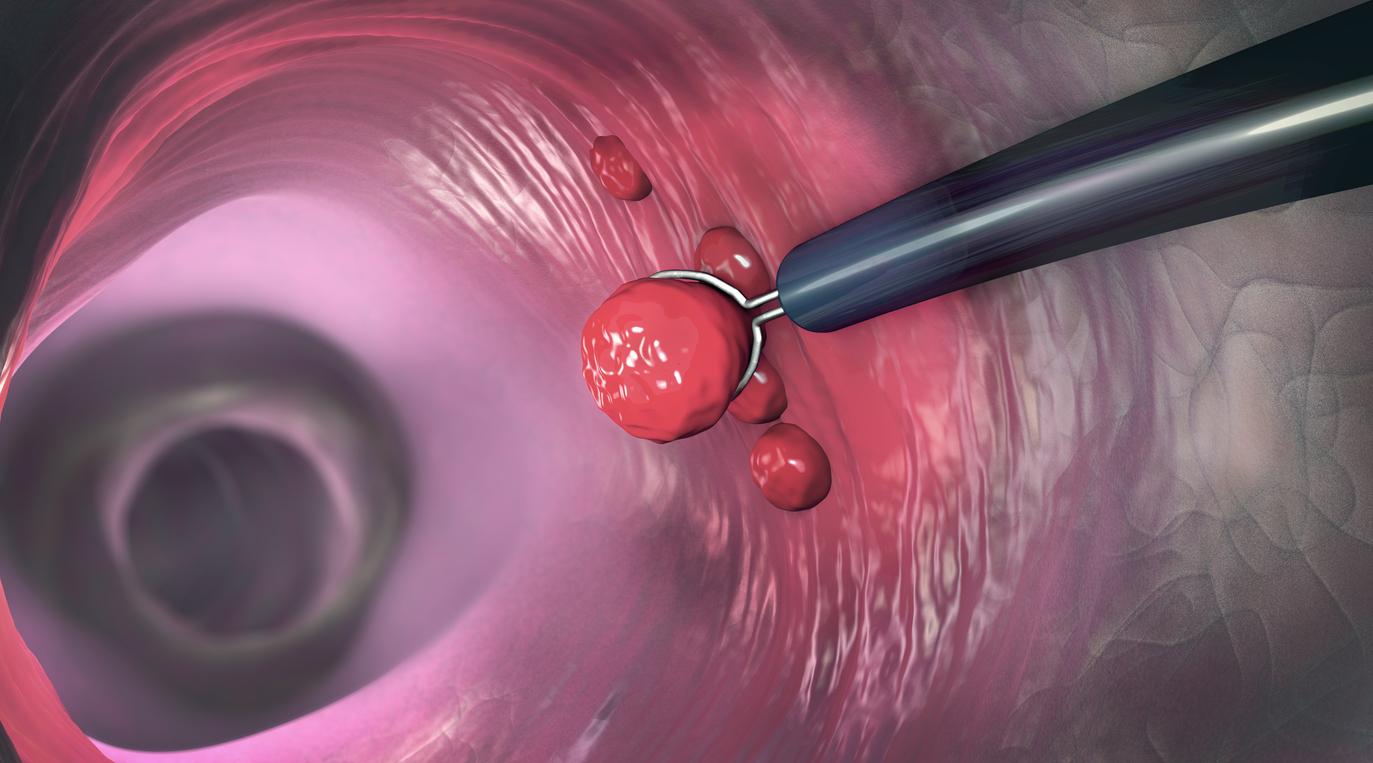
The latest research, published in JAMA Oncology, tracked over 29,000 women for 24 years as part of the long-running Nurses’ Health Study II. Researchers found that women with the highest intake of ultra-processed foods – items like packaged snacks, sugary drinks, and ready-to-eat meals – had a 45% higher risk of developing adenomas, the precursors to colorectal cancer, compared to those with the lowest intake. This finding remained significant even after accounting for factors like body mass index, diabetes, and fiber intake.
What are Ultra-Processed Foods?
Defining “ultra-processed” can be tricky, but the NOVA classification system, used in the study, categorizes foods based on the extent of industrial processing. These foods typically contain ingredients not traditionally used in home cooking – things like high-fructose corn syrup, hydrogenated oils, and artificial additives. They are often designed to be hyper-palatable, driving overconsumption.
Think beyond just “junk food.” Ultra-processed foods include:
- Sugary drinks
- Packaged cookies, cakes, and pastries
- Processed meats (hot dogs, bacon, deli meats)
- Ready-to-eat meals (frozen dinners, instant noodles)
- Mass-produced bread
- Many breakfast cereals
A Global Health Concern
This isn’t an isolated finding. A comprehensive series of articles recently published in The Lancet echoed these concerns, highlighting the broad impact of ultra-processed foods on health. The Lancet series linked high consumption of these foods to a wide range of chronic diseases, including obesity, cardiovascular disease, type 2 diabetes, and increased mortality.
“The convergence of data from epidemiological and metabolic studies is really striking,” says Dr. Isabella Rossi, a leading researcher in nutritional epidemiology at the Global Health Institute. “We’re seeing consistent patterns emerge – ultra-processed foods appear to disrupt our metabolism, promote inflammation, and ultimately increase the risk of serious illness.”
The rising incidence of colorectal cancer in younger adults – those under 50 – is particularly alarming. Historically, this cancer was more common in older populations. Experts believe changes in diet, including the increased prevalence of ultra-processed foods, are a significant contributing factor.
What Does This Mean for You?
While more research, including intervention studies, is needed to definitively prove a causal link, the evidence is strong enough to warrant caution. Reducing your intake of ultra-processed foods is a proactive step you can take to protect your health.
Focus on a diet rich in whole, unprocessed foods: fruits, vegetables, whole grains, lean proteins, and healthy fats. Read food labels carefully and be mindful of ingredient lists. Cooking at home more often allows you to control what goes into your meals.
Public health officials are beginning to address this issue, with some advocating for policies to limit the marketing of ultra-processed foods and promote healthier dietary choices. The World Health Organization is also actively reviewing the evidence and considering recommendations for reducing the consumption of these foods globally.
The message is clear: what we eat matters, and prioritizing whole, unprocessed foods is an investment in our long-term health.