Why You Should Always Wash New Clothes: Experts Explain
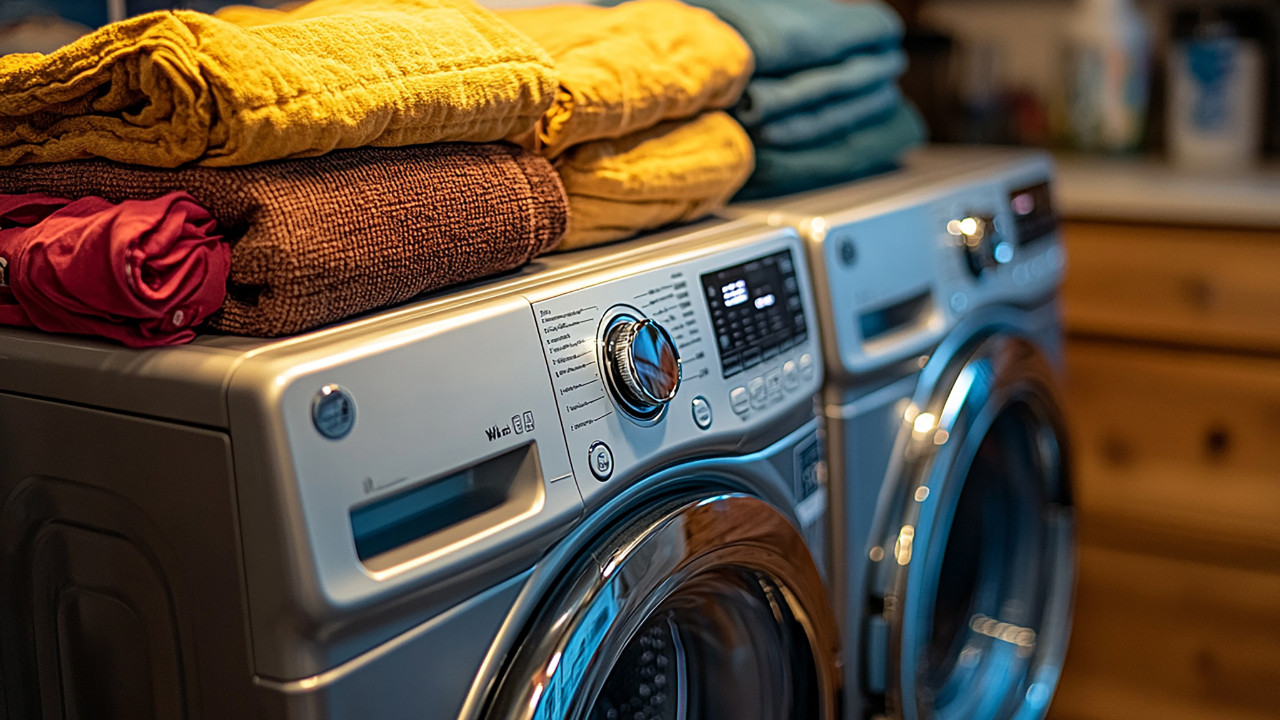
Why That New Outfit Needs a Wash Before You Wear It
That satisfying feeling of slipping into a brand-new garment? Experts say hold on a moment – and head for the washing machine first. A growing consensus among scientists and textile specialists points to the necessity of washing clothes before their initial wear, citing potential health risks and aesthetic concerns stemming from the manufacturing and shipping processes.
The journey of a garment from factory to store shelf is a long one, and it’s not always a clean one. Clothes can pick up a surprising array of unwanted hitchhikers along the way – from residual chemicals used in production to dyes that bleed, and even bacteria and viruses left behind by other shoppers.
Chemical Residue and Skin Sensitivity
“During manufacturing, textiles are treated with a variety of chemicals,” explains Frances Kozen, a fiber science specialist at Cornell University. “These can include sizing agents, formaldehyde resins, and dyes. Excess dye, in particular, can easily transfer to skin, causing irritation, especially for those with sensitivities.”
The concern isn’t limited to chemical exposure. Clothes pass through numerous hands during production and transportation, increasing the potential for bacterial contamination. This is particularly relevant given research highlighting the surprising longevity of pathogens on fabrics.
The Hidden World of Microbes on Clothing
A 2020 study revealed that certain bacteria and viruses can survive on textiles for days, even weeks. This raises the possibility of contracting an infection from clothes tried on by others. Dermatologists echo this caution.
“You don’t know who has tried on that garment before you,” says Dr. Jami L. Miller, a dermatologist at Vanderbilt Health. “There’s a potential for bacteria and viruses to be present. Past studies have identified a range of microorganisms on tried-on clothes, including bacteria associated with fecal matter, rhinovirus, and even pests like lice, bedbugs, and mites.”
While contracting an illness from clothing remains relatively rare, the risk is not zero. The Centers for Disease Control and Prevention (CDC) estimates that textile-borne infections account for a small but measurable percentage of reported infectious disease cases annually, particularly in densely populated urban areas.
Beyond Health: Protecting Your Wardrobe and Home
The benefits of a pre-wash extend beyond health concerns. Brightly colored clothing, in particular, is prone to dye transfer, potentially staining skin or furniture. Items like red sweaters and dark-wash jeans are notorious culprits.
Furthermore, washing new clothes can help preserve their quality and longevity. However, proper washing technique is crucial.
Washing Wisely: Protecting Your Clothes
Nomi Dale Kleinman, from the Fashion Institute of Technology, advises against using hot water and high heat when washing new clothes. “Hot water and high heat can cause some fabrics to shrink or become distorted,” she explains. “Cold water and low-heat drying – or air drying – are the best options for maintaining the garment’s shape and integrity.”
- Wash in cold water: This minimizes shrinkage and dye bleeding.
- Use a gentle cycle: Protects delicate fabrics.
- Tumble dry on low or air dry: Prevents damage and maintains shape.
- Consider a fabric softener: Can help lock in color and reduce static.
Taking a few extra minutes to wash that new purchase can safeguard your health, protect your existing wardrobe, and ensure your clothes look their best for years to come. It’s a small step with a surprisingly significant impact.
Source: Compiled from reporting across multiple sources.