Google Search: AI Overviews Now Seamlessly Link to AI Mode on Mobile
Google Redefines Search Paradigm with AI Integration, Raising Questions for Digital Publishers
MOUNTAIN VIEW, CA – Google is fundamentally altering the user experience of its core search product, moving beyond simple information retrieval towards a more conversational, AI-driven interaction. The tech giant is currently testing a seamless transition from its AI Overview summaries to a full-fledged AI chat mode directly within its mobile search application, a move that could reshape how users – and businesses – engage with the internet. The rollout, confirmed by Google Search VP of Product Robby Stein on X, represents a significant escalation in Google’s ambition to integrate artificial intelligence into everyday online activity.
The Conversational Shift: From Queries to Dialogue
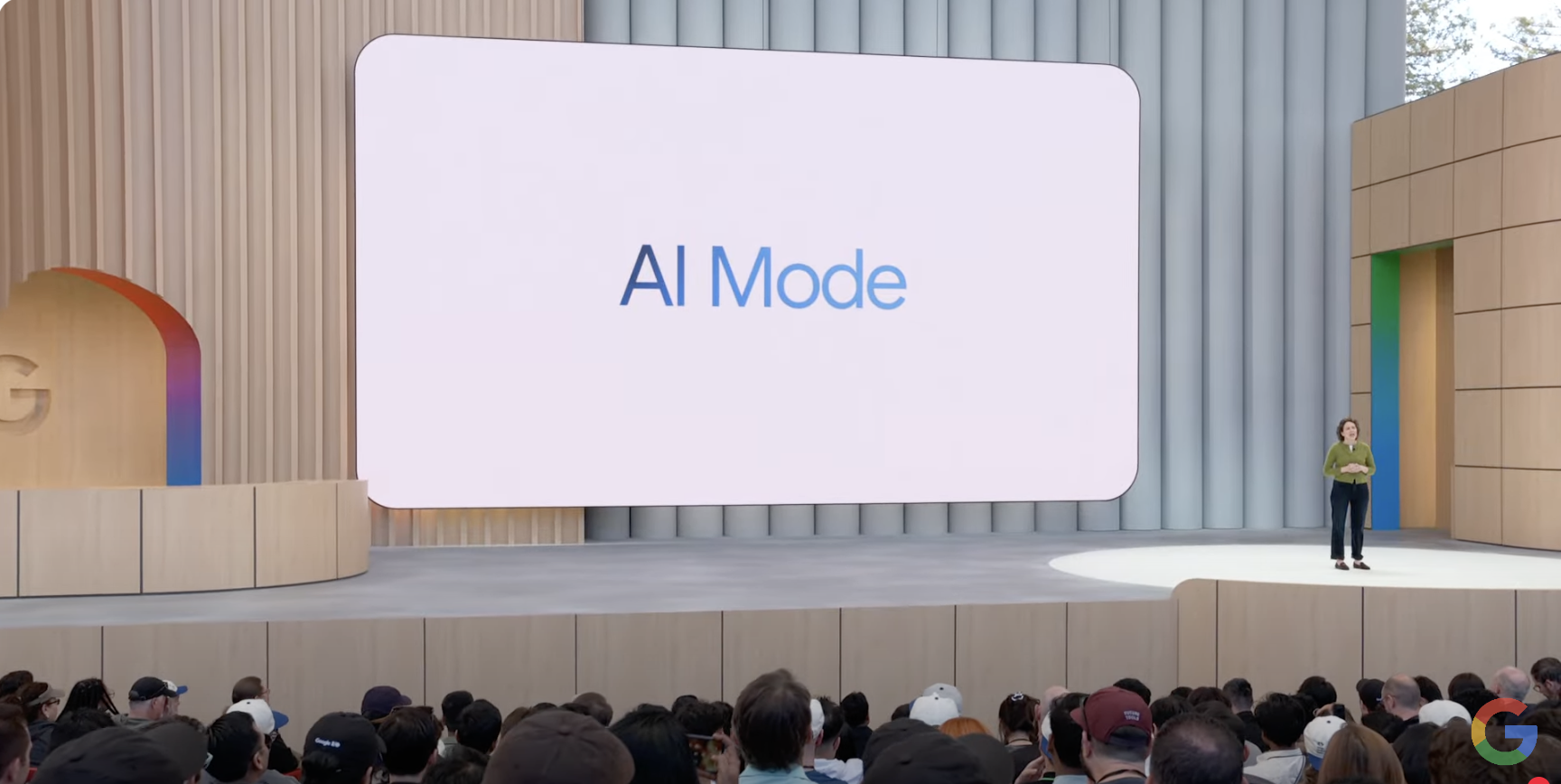
For years, Google Search has operated on a model of keyword-based queries and ranked results. The introduction of AI Overviews offered a concise, AI-generated summary at the top of search results. However, the new test eliminates the friction between these two experiences. Users accessing an AI Overview will now be able to tap a “Show more” option to instantly enter AI Mode, a chat interface powered by Google’s latest Gemini 3 and earlier Gemini models. This allows for iterative questioning and deeper exploration of topics without requiring a new search.
This isn’t merely a cosmetic change. AI Mode is designed for complex inquiries, contextual understanding, and the ability to synthesize information from multiple sources – a capability far exceeding the scope of traditional search. Google achieves this by simultaneously running multiple linked queries, effectively “thinking through” a problem in a way that mirrors human reasoning. The result is a more nuanced and comprehensive response, often incorporating text, images, and even video.
Economic Implications: A Potential Disruption for Digital Publishers
While Google frames this as an enhancement to user experience, the shift has significant implications for the broader digital ecosystem. The traditional “search and click” model drives traffic to websites, generating revenue for publishers through advertising and subscriptions. By providing more complete answers directly within the search results page, Google risks diminishing the need for users to visit external websites. This is a concern already being voiced within the media industry, with fears that the new AI-powered search could further exacerbate the challenges faced by news organizations and content creators.
The potential impact on advertising revenue is particularly acute. According to a recent report by Statista, global digital advertising spending is projected to reach $680.78 billion in 2024. A significant portion of this revenue is currently channeled through Google’s search advertising network. If users spend more time interacting with AI-generated responses within the search page, the opportunity for publishers to capture ad impressions diminishes.
Gemini 3 Pro Expands Global Reach, Fueling AI Capabilities
Coinciding with the rollout of the new search experience, Google is also expanding the availability of its advanced Gemini 3 Pro model to almost 120 countries and territories for English-language users. This wider access to cutting-edge AI technology will further enhance the capabilities of both AI Overviews and AI Mode, allowing for more sophisticated and accurate responses. The move underscores Google’s commitment to investing heavily in AI and positioning itself as a leader in the field.
Regulatory Scrutiny and the Future of Search
Google’s increasing dominance in search, coupled with its aggressive integration of AI, is attracting increased scrutiny from regulators worldwide. Concerns about anti-competitive practices and the potential for algorithmic bias are mounting. The European Union, in particular, has been actively investigating Google’s search practices, and the new AI-powered features are likely to come under close examination. The European Commission’s Digital Markets Act (DMA) aims to curb the power of large tech platforms and promote competition, and Google will need to demonstrate that its AI initiatives comply with these regulations.
The shift towards a conversational search experience represents a fundamental change in how people access information. Google is subtly retraining users to “ask and chat” rather than “search and click.” This evolution presents both opportunities and challenges for businesses, publishers, and regulators alike. The coming months will be crucial in determining how this new paradigm unfolds and its ultimate impact on the digital landscape.