Cuba Fever Outbreak: Is It More Than Just Chikungunya?
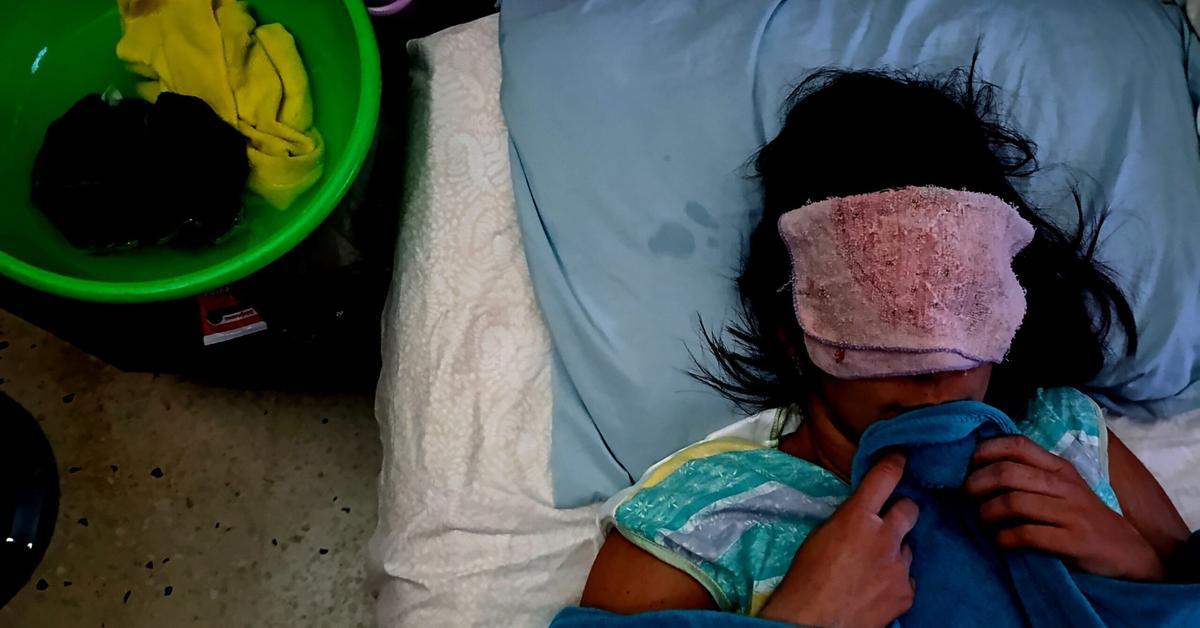
Mystery Illness Sweeps Cuba, Sparking Fears and Questions
Havana, Cuba – A wave of febrile illnesses is gripping Cuba, prompting growing unease among citizens and medical professionals. While the Ministry of Public Health attributes the outbreak primarily to chikungunya, a mosquito-borne viral disease, a chorus of voices is challenging that assessment, citing unusually severe cases, unexpected fatalities, and symptoms that don’t align with typical arbovirus presentations.
Doubts Rise Over Official Diagnosis
The official narrative is facing increasing scrutiny, fueled by observations shared on social media and analyses from experienced doctors. Dr. Reinaldo Verona Bonce, a physician with decades of experience in tropical medicine, has become a central figure in the debate. In a widely circulated Facebook post, he argues that the current mortality rate is “incompatible with historical records” for chikungunya and that the patterns of transmission defy established epidemiological models for arboviruses.
“The lethality present in our country is incompatible with the historical records” of chikungunya, Dr. Verona Bonce stated, adding that the current transmission patterns “deny the epidemiology of arboviruses.”
Severe Cases in Children Raise Alarm
A particularly troubling aspect of the outbreak is the severity of illness observed in children. Several doctors report cases that are inconsistent with the typical presentation of chikungunya in young patients. Karina Silveira, a concerned mother, shared her experience online: “My son was in therapy with pneumonia and shortness of breath. What does a mosquito have to do with this clinical picture? I also saw babies with the same thing.” Dr. Verona Bonce echoes this concern, stating that critical cases in newborns and adolescents are “unprecedented in the arboviruses of the Caribbean.”
Mortality Rates and Diagnostic Challenges
Dr. Verona Bonce points to a significant increase in daily mortality in Ciego de Ávila province, reportedly jumping from an average of 12-14 deaths per day to 34 within 24 hours. He also criticizes the lack of widespread and conclusive diagnostic testing. “Without PCR tests for everyone, a diagnosis is impossible,” he insists. The absence of robust testing raises questions about the accuracy of the official chikungunya diagnosis and the potential for other pathogens to be involved.
Is it More Than Just a Mosquito?
The rapid spread of the illness is also fueling speculation. Dr. Verona Bonce questions whether a single mosquito vector can account for the scale of the outbreak. “A female mosquito doesn’t infect an entire country in weeks; entire families become infected simultaneously, and if you visit a sick person, you get sick. That doesn’t explain a vector,” he wrote, referring to the Aedes aegypti mosquito.
“The propagation, the contagion and the severity coincide more with a virus of respiratory transmission than with an arbovirus.”
Recurrence of Symptoms and Lingering Questions
Adding to the confusion, reports are emerging of individuals who have previously contracted chikungunya experiencing a recurrence of symptoms. Medical literature generally indicates that chikungunya provides lasting immunity, with recurrences considered rare. Neyda Nocedo, a Cuban who worked in Venezuela during previous outbreaks, noted, “I’m seeing people who already had it on a mission now presenting the virosis again… if they should have immunity. This leaves many questions.”
Dr. Marisabel Delgado Quintero, a doctor at the Antonio Luaces Iraola General Hospital, shares similar doubts. “The propagation, the contagion and the severity coincide more with a virus of respiratory transmission than with an arbovirus. No masks were recommended, no distancing, and the initial outbreak in Matanzas wasn’t contained.”
Speculation and Concerns About Vaccine Effects
Some individuals have even raised the possibility of a link to the COVID-19 vaccines administered in Cuba. Ulises Camacho, an internet user, suggested examining the long-term effects of these vaccines, noting that the epidemic appears to be concentrated solely in Cuba, unlike similar outbreaks elsewhere in the Caribbean or Latin America. This sparked a heated debate, with some users expressing gratitude for the suggestion while others cautioned against unfounded speculation.
A System Under Strain
Beyond the scientific debate, countless individuals are sharing their personal experiences, describing prolonged symptoms, relapses, intense joint inflammation, widespread rashes, and, in some cases, respiratory distress or severe pneumonia. Daniela, a young woman from Havana, recounts a harrowing experience: “I had a fever of 39, swollen lymph nodes, a lump in my groin, pain in my wrists and heels, a rash from my face to my feet. I didn’t have respiratory symptoms. A friend of my mother had the same thing and died three days later from ‘pneumonia.’”
The lack of transparency from the Ministry of Health has created a vacuum filled with speculation and fear. Reports from across the island indicate a surge in funerals, with Herminia Santana, a worker near a funeral home in Mayabeque, observing a continuous flow of burials: “It hasn’t had a break for more than a week. We didn’t see this during COVID.”
A doctor in Ciego de Ávila, speaking anonymously, reports that hospitals are overwhelmed with patients suffering from fulminant pneumonia and arrhythmias, and that current protocols are inadequate to address the severity of the cases.
As the government maintains its official line – “it’s chikungunya” – the public debate reveals an epidemic that behaves unlike anything Cuba has seen before, in a country with a weakened healthcare system and dwindling public trust. Dr. Verona Bonce’s closing message resonates across the island: “Everything points to person-to-person contagion. Not by a vector. So… what are we talking about?”
“Le dieron un nombre al virus, pero yo creo que nadie sabe qué es” – “They gave the virus a name, but I don’t think anyone knows what it is,” said Maguy Díaz, a patient suffering for twelve days.