Commonwealth Games: 2030 Host & Future of the Event Confirmed
Commonwealth Games Stabilizes with Amdavad 2030, Glasgow 2026 Offers Blueprint for Sustainability
The Commonwealth Games Federation (CGF) appears to have navigated a period of significant turbulence, securing Amdavad, India, as the host city for the 2030 edition and outlining a path towards a more sustainable future for the multi-sport event. The announcement, welcomed by Jersey’s Commonwealth Games chief Paul Huddlestone, comes after a fraught few years that saw the Australian state of Victoria withdraw from hosting the 2026 Games, forcing a last-minute rescue by Glasgow.
The near collapse of the 2026 Games served as a stark warning. Victoria’s withdrawal, citing escalating costs and a lack of economic benefit, highlighted the growing financial burden of hosting a large-scale event like the Commonwealth Games. This prompted a fundamental reassessment of the Games’ format and scale. Glasgow’s willingness to step in, albeit with a “scaled-back” version, proved crucial. The Scottish city’s approach is now being viewed as a template for future hosts – a more compact, cost-effective Games that prioritizes athlete experience and community engagement over sprawling infrastructure projects.
Amdavad 2030: A Centenary Celebration with a New Focus
The selection of Amdavad as the 2030 host is particularly significant as it coincides with the centenary of the Commonwealth Games. India, with its burgeoning sporting infrastructure and a massive youth population, represents a key growth market for the CGF. However, the Games’ organizers will be acutely aware of the lessons learned from recent challenges. Expect a greater emphasis on utilizing existing venues and minimizing capital expenditure. The Indian government has pledged significant investment in sporting facilities in recent years, and Amdavad is well-positioned to leverage this infrastructure.
Huddlestone’s optimism is rooted in the belief that the Games have undergone a necessary “revamp.” He pointed to the CGF’s efforts to address the issue of escalating costs, acknowledging that the previous model was unsustainable for many potential host nations. “The whole Games have got a bit larger than many host countries could consider,” Huddlestone told BBC Radio Jersey. “So it’s gone on to a more sustainable basis.” This shift is vital not just for the CGF’s survival, but also for ensuring the continued participation of smaller nations like Jersey, for whom the Commonwealth Games represents the pinnacle of international competition.
Jersey’s Perspective: A Vital Stage for Island Nations
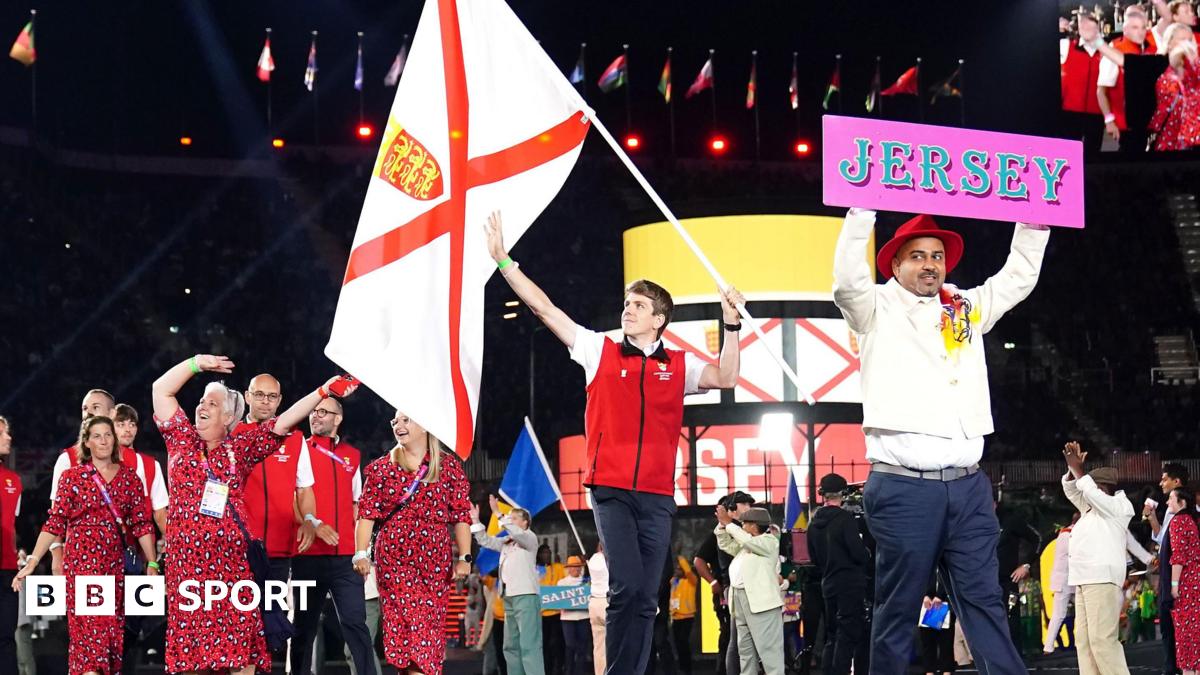
For Jersey, the Commonwealth Games is more than just a sporting event; it’s a platform for national pride and a showcase for the island’s athletic talent. Despite not having secured a medal since 1990, Jersey consistently punches above its weight, particularly in sports like bowls and shooting. The island’s athletes benefit from the unique opportunity to compete on a global stage as independent representatives, fostering a strong sense of national identity. The future stability of the Games is therefore paramount for Jersey’s sporting ambitions.
The challenges faced by the Commonwealth Games mirror broader trends in the world of sports event hosting. Rising costs, concerns about environmental sustainability, and a growing skepticism about the economic benefits of mega-events are forcing organizers to rethink their strategies. The Commonwealth Games has seen fluctuating attendance figures in recent editions, with the 2018 Gold Coast Games attracting approximately 1.2 million spectators, while the 2022 Birmingham Games saw around 1.85 million. Maintaining and growing these numbers will be crucial for the Games’ long-term viability.
Looking Ahead: 2034 and Beyond
The CGF is already looking beyond 2030, with around half a dozen countries reportedly expressing interest in hosting the 2034 edition. Nigeria, which submitted a bid for 2030, is considered a strong contender, eager to establish itself as a major player in the Commonwealth sporting landscape. Huddlestone confirmed that several other nations are also in the frame, suggesting a healthy level of competition for future hosting rights. The success of Amdavad 2030 and Glasgow 2026 will undoubtedly influence the bidding process and shape the future direction of the Commonwealth Games.
The Glasgow model, prioritizing a compact Games and cost control, is likely to be a key factor in evaluating future bids. The CGF will be looking for hosts who can demonstrate a commitment to sustainability, community engagement, and a positive legacy for the Games. The organization’s ability to attract diverse and enthusiastic hosts will be critical to ensuring the continued relevance and success of the Commonwealth Games in the years to come. The focus now shifts to Amdavad, where preparations will begin in earnest to deliver a memorable and impactful centenary celebration in 2030.