25 de Novembro 1975: Documentário e Controvérsia nas Comemorações
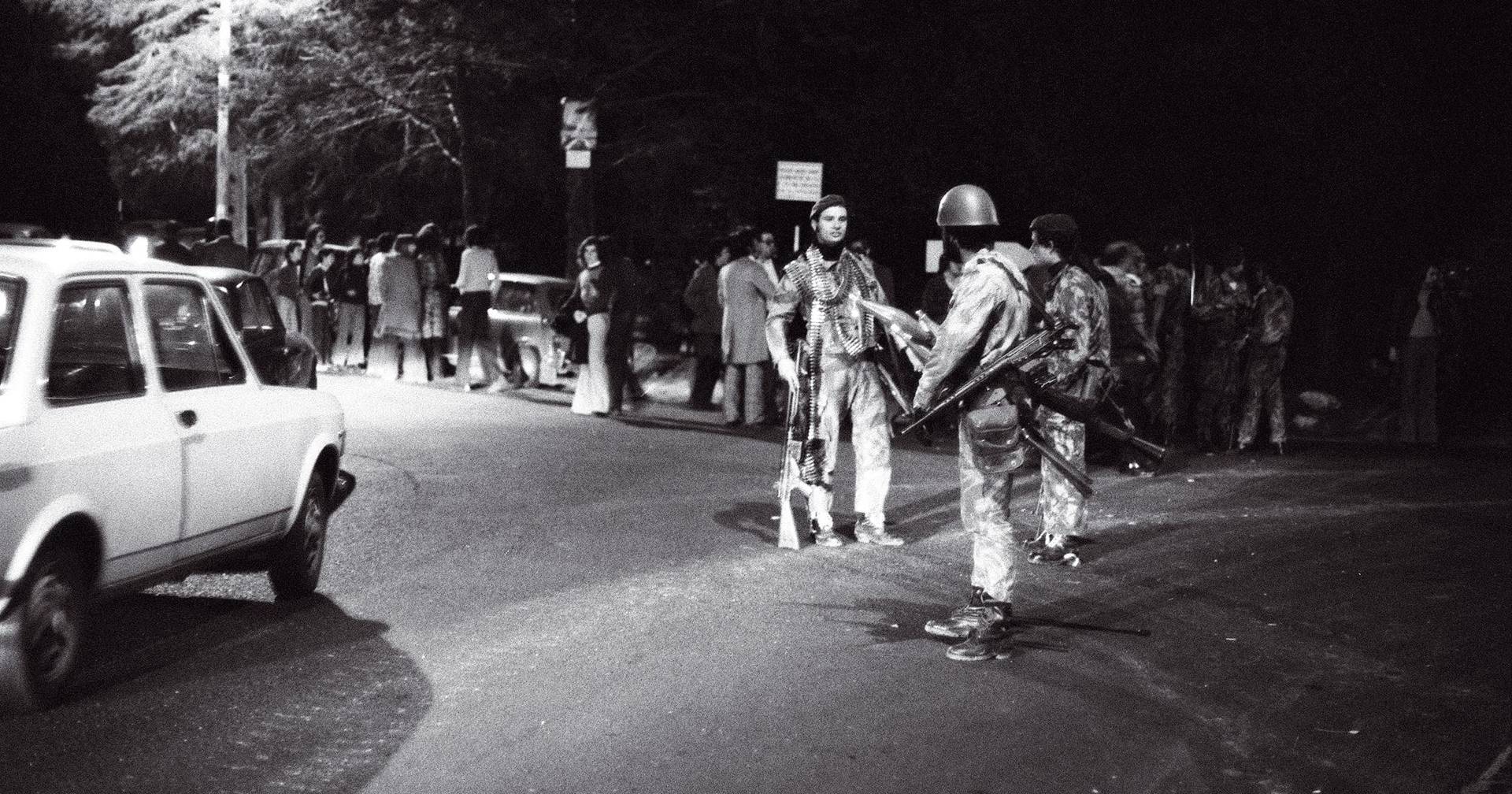
Portugal Marks Controversial 1975 Counter-Coup with Year-Long Commemoration
Lisbon – Portugal is launching a year-long commemoration of November 25, 1975, a date steeped in political complexity and often referred to as a counter-coup to the Carnation Revolution of 1974. The initiative, spearheaded by a government commission, aims to examine the events that reshaped the nation’s political landscape, but has already ignited a fierce debate about historical interpretation and political motivations.
At the heart of the commemoration is a 40-minute documentary, created by Armando Seixas Ferreira, a former journalist with Portugal’s public broadcaster RTP, who currently serves as a press advisor to the Minister of National Defence, Nuno Melo. The film features interviews with ten key military figures involved in the events, including former Presidents Ramalho Eanes and Tomé Pinto, offering what commission members say are previously undisclosed insights.
“General Ramalho Eanes reveals things he’s never spoken about before,” says Major-General João Vieira Borges, a member of the commemoration commission. “These are little-known testimonies that will add a new layer to our understanding of this period.”
A Nation Divided
The events of November 25, 1975, remain a sensitive topic in Portugal. While some view it as a necessary correction to the radical leftward drift following the Carnation Revolution, others see it as a setback for democratic progress. This historical divide is reflected in the current political climate, with the government’s decision to grant the day the same level of solemnity as the April 25th Revolution – the event that ended decades of authoritarian rule – drawing sharp criticism.
The Portuguese Communist Party (PCP) will boycott the official ceremonies altogether, while the Socialist Party (PS) will only be represented by a single member of parliament at the planned military parade in Lisbon’s Praça do Comércio. The PS is organizing its own alternative commemorations, arguing that the government’s approach seeks to downplay the crucial role played by Mário Soares and the socialist movement in preventing a slide towards civil war during the turbulent period known as the Processo Revolucionário em Curso (PREC).
“To put these dates on the same level [April 25th and November 25th] is the last thing I would expect to see,” stated Captain Rodrigo Sousa e Castro, a veteran of both revolutions and a member of the Council of the Revolution, in a recent interview. “It’s a very belated attempt to rewrite history by this government. A political maneuver, to say the least.”
Beyond the Parade: A Year of Reflection
The commemoration extends far beyond the initial military parade. Plans include the launch of a book in May, focusing on the experiences of soldiers and sergeants – voices often absent from historical accounts – as well as a podcast series and a series of debates across the country. An exhibition titled “April 25th to November 25th” will open at the Museu de Marinha in Lisbon on Monday.
The government has defended its approach, emphasizing that the Ministry of National Defence is providing administrative, technical, and logistical support to the commission, as outlined in the relevant legislation. This support includes the allocation of personnel without additional remuneration.
The commemoration arrives at a critical juncture for Portugal, as the nation continues to grapple with its complex past and navigate the challenges of the present. The events of November 25, 1975, remain a potent symbol of those struggles, and this year-long period of reflection promises to be a deeply significant one for the country.
RTP, the national broadcaster, is collaborating on the project by providing archival footage from the period, a standard practice for similar requests.