OCC Ends Citi Consent Order Amendment Tied to Risk Management Deficiencies
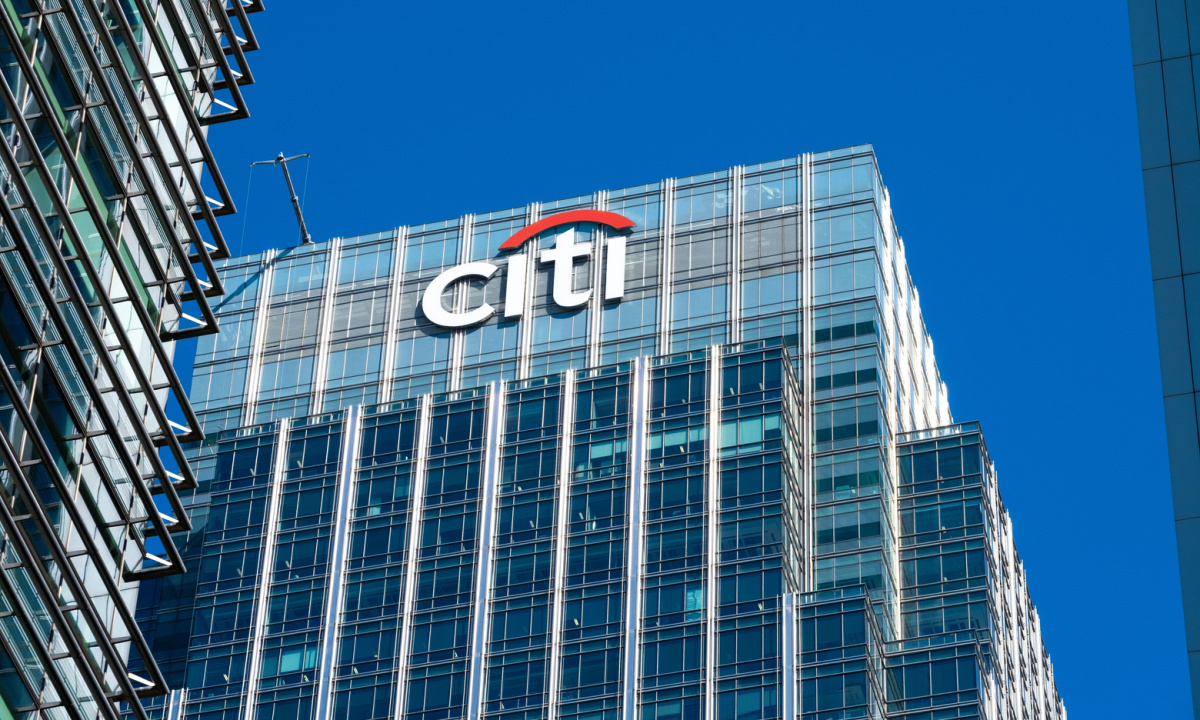
Citi Sheds Regulatory Oversight as Risk Management Overhaul Gains Traction
WASHINGTON – Citigroup (Citi) has secured a significant win in its multi-year effort to overhaul its risk management systems, as the Office of the Comptroller of the Currency (OCC) terminated a key amendment to a 2020 consent order. The move signals growing confidence from regulators that the banking giant has addressed longstanding deficiencies that previously drew scrutiny and hefty fines.
From Consent Order to Compliance: A Long Road for Citi
The original consent order, issued in October 2020, stemmed from failures in Citi’s data management, regulatory reporting, and capital planning. Regulators identified “significant ongoing deficiencies” in the bank’s risk management systems, a complex network designed to monitor potentially harmful trades and transactions. The order mandated a comprehensive fix, but progress proved slow enough to warrant a July 2024 amendment requiring Citi to demonstrate consistent resource allocation towards achieving the order’s milestones. This amendment followed a $136 million fine levied against the bank for insufficient progress on data management issues.
The OCC’s decision to terminate the amendment, announced Thursday, reflects a shift in assessment. According to the OCC’s statement, the agency now believes “the safety and soundness of the bank and its compliance with laws and regulations does not require the continued existence of the amendment.” This doesn’t erase the original consent order, which remains in effect, but it removes a layer of intensive oversight focused on resource allocation.
Transformation Underway: Fraser’s Vision Takes Hold
Citi Chair and CEO Jane Fraser has spearheaded a sweeping restructuring of the organization since taking the helm, emphasizing a commitment to modernization and strengthened controls. “Our Transformation has been our number one priority, and we are dedicating the resources necessary to modernize our systems and strengthen our risk and control environment,” Citi stated in a press release. “Most of our programs are at or nearly at target state, and we are seeing the benefits of improved, standardized, automated and digitized controls.”
This transformation isn’t merely about ticking boxes for regulators; it’s about enhancing Citi’s competitive position in a rapidly evolving financial landscape. The bank’s ability to effectively manage risk is crucial for attracting investors and maintaining market confidence. A recent report by the Bank for International Settlements highlighted that banks with robust risk management frameworks experienced, on average, 15% lower loan loss provisions during periods of economic stress.
The Broader Regulatory Landscape and Implications for Banks
The OCC’s action comes at a time of heightened scrutiny for large financial institutions. Following the regional banking crisis of 2023, regulators are increasingly focused on ensuring banks have adequate capital and robust risk management practices to withstand potential shocks. The Federal Reserve’s recent stress tests, for example, revealed vulnerabilities in some banks’ ability to manage interest rate risk. The OCC’s willingness to ease oversight at Citi suggests the agency is willing to acknowledge demonstrable improvements, but it also underscores the importance of proactive risk management.
The termination of the amendment doesn’t signal a complete end to regulatory oversight. The original consent order remains in place, and Citi will continue to be subject to regular examinations and monitoring. However, it does represent a significant step forward for the bank and a validation of Fraser’s restructuring efforts. The OCC’s decision could also set a precedent for other banks operating under similar consent orders, demonstrating that sustained investment in risk management can lead to a reduction in regulatory burdens.
Economic Context: Global Banking Sector Resilience
Despite ongoing geopolitical and economic uncertainties, the global banking sector has demonstrated remarkable resilience. According to the International Monetary Fund (IMF), global bank capital adequacy ratios stood at 16.4% at the end of 2023, well above the regulatory minimums. However, the IMF also warns of emerging risks, including cyber threats and the potential for increased credit losses as economic growth slows. Citi’s investment in strengthening its risk management systems positions it to navigate these challenges more effectively.
For investors, the news is a positive sign. A reduction in regulatory risk typically translates to increased profitability and shareholder value. For consumers, a well-managed bank is a more stable and reliable provider of financial services. The OCC’s decision, therefore, has implications that extend far beyond Citi’s bottom line.
The path from consent order to compliance has been arduous for Citi, but the bank appears to be emerging stronger and more resilient. The termination of the amendment is a testament to the effectiveness of Fraser’s transformation strategy and a signal that Citi is regaining the confidence of its regulators and the market.