Mangione Trial: Evidence Hearings Begin in UnitedHealthcare CEO Murder Case
CEO Murder Suspect Faces Scrutiny Over Evidence in New York Court
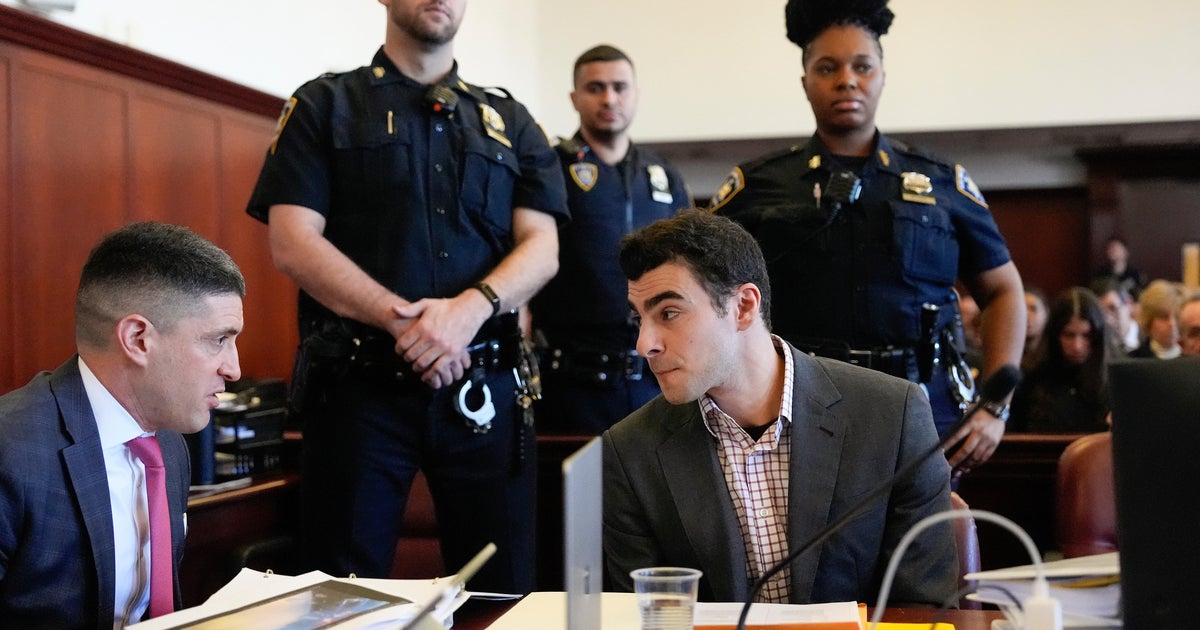
New York City – Luigi Mangione, the 27-year-old accused of fatally shooting UnitedHealthcare CEO Brian Thompson in Midtown Manhattan last December, returned to court Monday as pretrial hearings began to determine what evidence will be admissible at his upcoming trial. The case, which initially included terrorism charges later dropped, is drawing intense scrutiny over the methods used to gather evidence against Mangione, raising questions about potential violations of his constitutional rights.
A Battle Over Confessions and Backpack Contents
The core of the defense’s argument centers on statements Mangione allegedly made to law enforcement following his arrest. Attorneys contend that officers failed to properly advise their client of his Miranda rights – the right to remain silent and the right to an attorney – rendering any subsequent statements inadmissible. This is a critical point, as any confession could be a cornerstone of the prosecution’s case.
Beyond the alleged lack of Miranda warnings, the defense is challenging the legality of evidence seized from Mangione’s backpack at the time of his arrest in Altoona, Pennsylvania. They argue that law enforcement conducted a warrantless search after Mangione was already handcuffed and surrounded by officers, a move they claim violates Fourth Amendment protections against unreasonable search and seizure. Inside the backpack, investigators discovered a firearm with a 3D-printed receiver, ammunition, and a notebook allegedly used as a diary. The defense is particularly concerned about the contents of this notebook, fearing its publication could prejudice potential jurors.
Prosecutors with the Manhattan District Attorney’s office vehemently deny the defense’s accusations, maintaining that all evidence was obtained legally and ethically. A judge has scheduled a series of suppression hearings, expected to last throughout the week, to thoroughly examine these concerns. The outcome of these hearings could significantly shape the scope of the trial and the evidence presented to a jury.
From Prison Garb to Civilian Clothes: A Small Victory for the Defense
A seemingly minor, yet symbolically important, victory for the defense came before the evidentiary hearings began. Mangione’s legal team successfully petitioned the court to allow him to appear in civilian clothing – a gray suit with a patterned button-down shirt – rather than the standard tan prison attire. The judge approved the provision of two suits, three shirts, three sweaters, three pairs of pants, five pairs of socks, and a pair of laceless shoes for Mangione to wear during court appearances and transport from the Metropolitan Detention Center in Brooklyn. This request, granted by the judge, signals a willingness to afford Mangione a degree of dignity during the legal proceedings.
A Courtroom Filled with Observation
The courtroom itself was a scene of intense observation. Approximately eight rows were filled with journalists, while three rows were occupied by the public, including individuals wearing shirts bearing Mangione’s name or photo and the color green – a possible show of support. The hearing experienced a delay of over an hour, finally commencing around 11 a.m.
The first witness called to the stand was NYPD Sergeant Christopher McLaughlin, tasked with reviewing surveillance images collected in the hours and days following the shooting. His testimony is expected to play a crucial role in establishing a timeline of events and potentially linking Mangione to the crime scene.
The Broader Context: Gun Violence and Mental Health in America
This case unfolds against a backdrop of escalating gun violence and a growing national conversation about mental health. According to data from the United Nations Office for Disarmament Affairs, approximately 500 people die each day globally as a result of firearm-related violence. While the United States represents less than 5% of the world’s population, it accounts for over 30% of all gun-related deaths. This statistic underscores the uniquely American challenge of gun violence and the complex factors that contribute to it.
The use of a 3D-printed firearm in this case also highlights the increasing accessibility of untraceable weapons, posing new challenges for law enforcement. “Ghost guns,” as they are often called, are largely unregulated and can be assembled from kits purchased online, circumventing traditional background checks and serial number requirements. This development raises serious concerns about public safety and the need for updated gun control measures.
The case also prompts questions about the mental health of the accused and the potential for early intervention. While details about Mangione’s mental state remain limited, the circumstances surrounding the shooting suggest a possible crisis. Access to affordable and comprehensive mental healthcare remains a significant challenge in the United States, leaving many individuals without the support they need.
The trial of Luigi Mangione promises to be a closely watched legal battle, not only for its implications for the victim’s family and the accused, but also for the broader questions it raises about gun violence, mental health, and the rights of the accused within the American justice system. As the pretrial hearings continue, the public will be keenly awaiting further developments in this high-profile case.