Karnataka Menstrual Leave: High Court Recalls Stay Order – Latest Updates
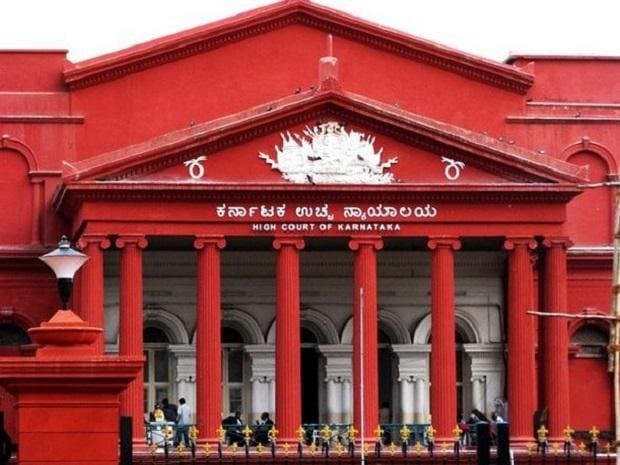
Karnataka High Court Reverses Course on Menstrual Leave, Signals New Hearing
BENGALURU, India – In a dramatic turn of events, the Karnataka High Court on Tuesday temporarily rescinded its earlier stay of a state government order mandating paid menstrual leave for working women. The court agreed to revisit the issue after the Karnataka Advocate General, Shashi Kiran Shetty, argued the initial stay contradicted a previous ruling by the Supreme Court of India.
A Policy Sparking Debate
Last month, the Karnataka government announced a groundbreaking policy offering one day of paid menstrual leave per month to women employees aged 18 to 52, encompassing those in permanent, contractual, and outsourced positions. The move aimed to address the challenges women face during menstruation, acknowledging the physical and emotional toll it can take on productivity and well-being. The order applied to a broad range of industries, including those governed by the Factories Act of 1948, the Karnataka Shops and Commercial Establishments Act of 1961, and others.
The policy quickly ignited a national conversation, mirroring similar debates happening globally. While proponents lauded the initiative as a progressive step towards gender equality and reproductive health rights, critics raised concerns about potential discrimination and the reinforcement of societal stigmas surrounding menstruation.
Business Groups Challenge the Mandate
The court’s initial stay came in response to a petition filed by the Bangalore Hotels’ Association and Avirata AFL Connectivity Systems. These groups argued the state government lacked the authority to impose such a mandate through an executive notification, questioning the legal basis of the order. According to counsel for the petitioners, as reported by Bar and Bench, the notification failed to specify the legal power under which it was issued.
Beyond the legal challenge, the petitioners also voiced economic concerns. They argued that existing labor laws already provide adequate leave provisions and that adding menstrual leave would create additional financial burdens and potentially lead to “serious civil consequences.” A key point of contention was the lack of consultation with businesses before the policy was implemented.
The Global Landscape of Menstrual Leave
Karnataka’s attempt to legislate menstrual leave isn’t isolated. Several countries and companies worldwide have experimented with similar policies, with varying degrees of success. Spain became the first European country to approve paid menstrual leave in February 2023, offering up to three days of leave per month. Japan has had a law allowing menstrual leave since 1947, though uptake remains low due to societal pressures. Indonesia also legally mandates menstrual leave, while in other nations, like Zambia and Vietnam, it’s offered on a discretionary basis.
However, the implementation of menstrual leave is often fraught with challenges. Concerns about potential discrimination – the fear that employers might be less likely to hire women if they are perceived as requiring more leave – are frequently raised. A 2022 World Bank report highlighted that globally, approximately 500 million women and girls lack adequate facilities for menstrual hygiene management, underscoring the broader systemic issues surrounding menstruation that policies like this attempt to address.
What’s Next for Karnataka?
The Karnataka High Court’s decision to recall its stay and schedule a hearing for tomorrow signals a willingness to thoroughly examine the legal arguments presented by both sides. The Advocate General’s invocation of a Supreme Court precedent suggests the government believes it has a strong legal foundation for the policy.
The outcome of this case will have significant implications, not only for Karnataka’s workforce but also for the broader debate surrounding menstrual leave in India and beyond. It will likely set a precedent for other states considering similar legislation and could influence how companies approach this sensitive issue. The court’s decision will be closely watched by labor rights advocates, business leaders, and policymakers alike, as they grapple with the complexities of balancing employee well-being, economic realities, and gender equality.
The case highlights a growing global awareness of the need to address the challenges women face related to menstruation, moving beyond simply providing leave to tackling the underlying stigmas and ensuring access to adequate menstrual hygiene resources.