Ecuador Footballer Mario Pineida Shot Dead: Guayaquil Violence
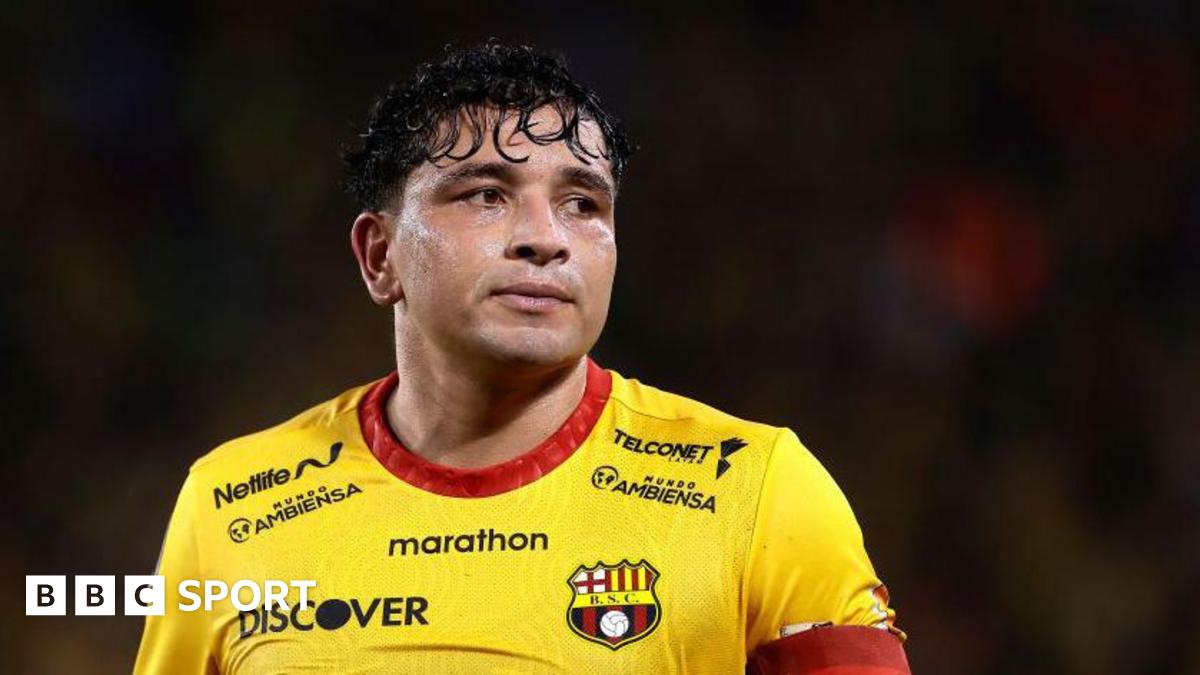
Ecuadorian Defender Mario Pineida Killed in Guayaquil Shooting
Guayaquil, Ecuador – Mario Pineida, a 33-year-old defender for Ecuadorian second-division side Club Deportivo Estrella Roja, has died after being shot in his hometown of Guayaquil on Wednesday. The tragic incident underscores a growing crisis of violence plaguing the city and increasingly impacting the nation’s sporting community.
According to local reports, Pineida was targeted alongside his mother and another woman while outside a shop in a northern district of Guayaquil. Two assailants on motorcycles opened fire, resulting in fatal injuries for the footballer. Ecuadorian authorities have dispatched a specialized police unit to investigate the shooting, but as of Thursday morning, no arrests have been announced.
A Rising Tide of Violence Threatens Ecuadorian Football
Pineida’s death is not an isolated incident. Guayaquil has become a central hub for gang activity and drug trafficking, experiencing a dramatic surge in violent crime. Through September of this year, the city recorded 1,900 murders – the highest number in Ecuador’s history, according to Reuters. This escalating violence is now directly impacting the footballing landscape.
Just weeks ago, in September, three footballers playing in Ecuador’s second tier were killed. In October, another local player was wounded in a separate shooting. These incidents have sparked widespread concern among players, clubs, and the Ecuadorian Football Federation (FEF), raising questions about player safety and the viability of continuing competitions without increased security measures. The FEF has yet to issue a formal statement regarding Pineida’s death, but is reportedly reviewing security protocols for all matches.
Pineida’s Career and Tactical Impact
Pineida, a robust and physically imposing defender, was a key figure for Estrella Roja, consistently featuring in their starting eleven. He primarily operated as a central defender, known for his aerial ability and strong tackling. His presence provided a crucial defensive foundation for the team, which currently sits mid-table in the Segunda Categoría, Ecuador’s third tier of professional football.
From a tactical perspective, Pineida’s strength lay in his ability to win individual duels and disrupt opposing attacks. He averaged 4.2 successful tackles per 90 minutes this season, according to Opta data, placing him among the top defenders in the Segunda Categoría. His absence will undoubtedly leave a significant void in Estrella Roja’s backline, impacting their defensive solidity and potentially hindering their playoff aspirations.
Prior to joining Estrella Roja, Pineida had spells with several other Ecuadorian clubs, including Liga de Loja and Universidad Católica. While he never reached the heights of playing in Ecuador’s top-flight Serie A, he was a respected and reliable professional throughout his career. His dedication and commitment to the game earned him the admiration of teammates and coaches alike.
Broader Implications for Ecuadorian Sport and Society
The violence that claimed Pineida’s life extends far beyond the realm of sport. It reflects a deeper societal crisis in Ecuador, fueled by economic hardship, political instability, and the growing influence of transnational criminal organizations. The country’s homicide rate has skyrocketed in recent years, reaching 26.7 per 100,000 inhabitants in 2023 – a significant increase from 14.7 in 2021, according to Statista. This surge in violence is not only devastating for individuals and families but also poses a serious threat to the country’s economic development and international reputation.
The impact on football is particularly concerning. The sport serves as a source of national pride and unity for Ecuadorians, and the increasing violence threatens to undermine its integrity and accessibility. Fans are becoming increasingly hesitant to attend matches, fearing for their safety. Clubs are struggling to attract and retain players, as many are reluctant to live and work in a city plagued by such high levels of crime.
The Ecuadorian government faces a daunting challenge in addressing this crisis. Increased investment in law enforcement, social programs, and economic development are essential, but a long-term solution will require a comprehensive and multifaceted approach. The death of Mario Pineida serves as a stark reminder of the urgent need for action. His story is a tragedy not just for his family and friends, but for the entire Ecuadorian football community and the nation as a whole. The incident will undoubtedly fuel calls for greater security measures at sporting events and a more robust response to the escalating violence that is gripping the country.
Editor’s note: Original story included a verified sports social media post.