Cuba: H1N1, COVID-19 & Dengue Cases Rise Amid Health Crisis
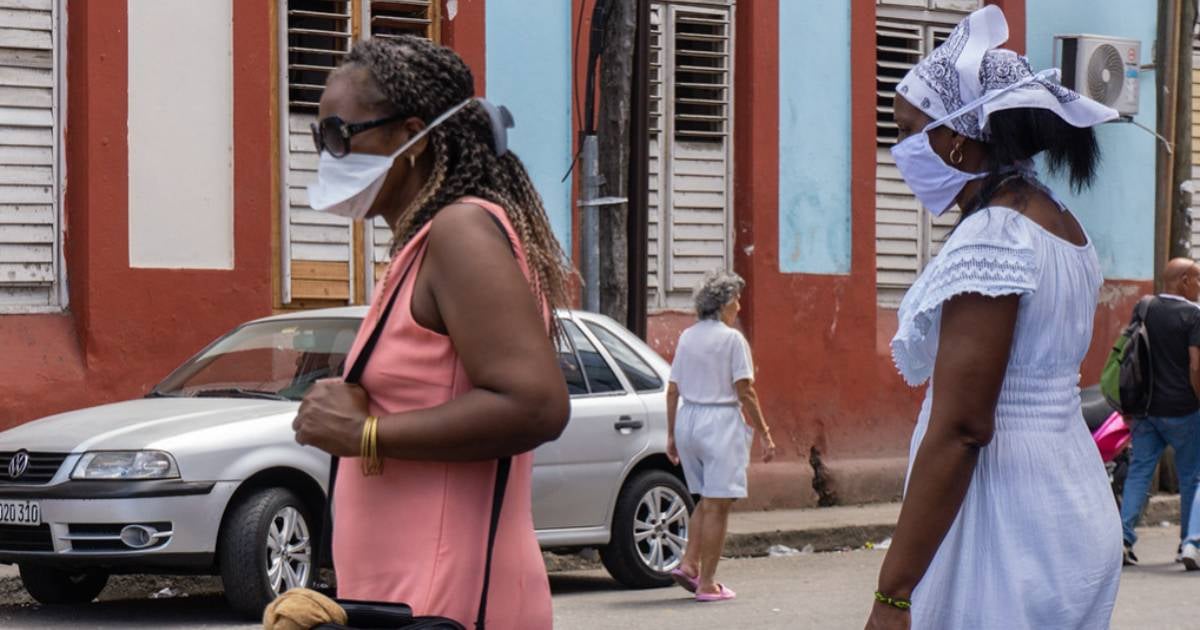
Cuba Battles Multiple Disease Outbreaks: Respiratory Viruses Join Dengue and Chikungunya
Havana – Cuba is facing a complex public health challenge as it contends with a surge in respiratory viruses – including influenza H1N1, respiratory syncytial virus (RSV), and persistent cases of COVID-19 – alongside a deadly outbreak of dengue and chikungunya fever. The situation is raising concerns about the capacity of the island’s healthcare system, already strained by economic hardship and shortages.
A Critical Confluence of Illnesses
Government officials recently confirmed the circulation of all three respiratory viruses, with RSV posing a particular threat to young children and the elderly. While official data indicates relatively low COVID-19 positivity rates, experts are monitoring emerging variants, including XFG, which has been detected in other countries. The confluence of these respiratory illnesses comes at a particularly vulnerable time, as Cuba struggles to contain a severe outbreak of arboviruses – dengue and chikungunya – that has resulted in a tragic loss of life.
Dengue and Chikungunya Take a Heavy Toll
The Ministry of Public Health (Minsap) has reported 33 deaths from dengue and chikungunya, a figure that has sparked alarm both domestically and internationally. A deeply concerning 21 of those fatalities were children and adolescents. The outbreak is exacerbated by a shortage of insecticides, limited access to essential medications, frequent power outages, and difficulties in controlling mosquito populations. Current infestation rates stand at 0.89%, with provinces like Camagüey, Santiago de Cuba, and Havana being particularly affected.
The situation has drawn attention from international media, with reports highlighting the limitations of Cuba’s healthcare infrastructure.
Predictive Models Point to Further Increases
Epidemiological modeling, presented during a recent meeting between government officials and health scientists, suggests a potential increase in cases in the coming weeks, particularly in eastern Cuba and the Isle of Youth. However, it remains unclear whether this projected rise refers to arboviral infections, respiratory illnesses, or a combination of both.
Raúl Guinovart, a mathematician and epidemiologist, presented these predictive models, emphasizing the need for proactive measures. “Understanding the trajectory of these outbreaks is crucial for effective resource allocation and public health interventions,” he stated.
Seeking Innovative Solutions, Facing Immediate Needs
Cuban scientists are exploring innovative technologies to combat the spread of mosquito-borne diseases, including sterile insect techniques, genetically modified mosquitoes, and bacteria that target Aedes aegypti, the mosquito responsible for transmitting dengue and chikungunya. However, these solutions are still in the development or scaling-up phases, leaving the population to grapple with the immediate realities of a saturated healthcare system and a lack of basic protective resources.
President Miguel Díaz-Canel has urged health authorities to provide “permanent and timely” information to the public, acknowledging past criticisms regarding transparency in epidemiological reporting.
Public Health Implications and Global Context
The situation in Cuba underscores the vulnerability of healthcare systems in resource-constrained settings to multiple concurrent disease outbreaks. The convergence of respiratory viruses and arboviral infections highlights the importance of robust surveillance systems, proactive vector control measures, and equitable access to healthcare resources. The high number of pediatric fatalities from dengue and chikungunya is particularly alarming, emphasizing the need for targeted interventions to protect vulnerable populations.
The World Health Organization (WHO) continues to monitor the situation in Cuba and provide technical assistance as needed. The ongoing outbreaks serve as a stark reminder of the interconnectedness of global health and the importance of international collaboration in addressing emerging infectious disease threats.