ASX Trading Halt: Outage Disrupts Company Announcements
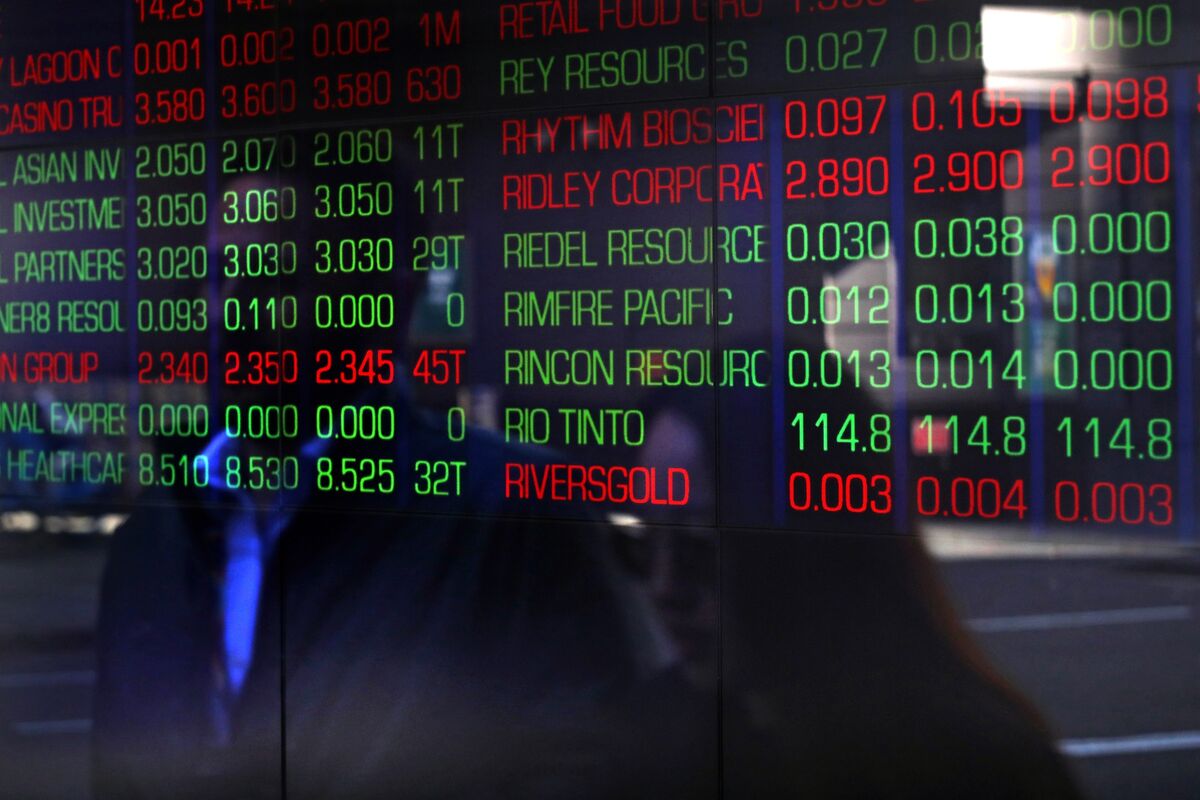
ASX Trading Disrupted as Technical Glitch Halts Company Announcements
Sydney, Australia – Trading on the Australian Securities Exchange (ASX) faced significant disruption Monday as a technical outage halted the dissemination of company announcements, sparking renewed scrutiny of the exchange’s infrastructure and calls for increased competition. The incident, the latest in a series of mishaps plaguing the ASX, underscores vulnerabilities in Australia’s core market infrastructure and raises concerns about potential systemic risks.
A Cascade of Delays and Regulatory Pressure
The ASX announced the initial outage at 8:59 a.m. Sydney time, stating that it was experiencing difficulties with its company announcements platform. This meant investors were left without crucial real-time information regarding corporate actions, earnings reports, and other market-moving news. While the ASX initiated a remediation process and began processing announcements received after 11:22 a.m., the disruption caused substantial delays and uncertainty for market participants. Trading in securities directly impacted by the announcement blackout remained suspended until the relevant information was published.
The incident arrives at a sensitive time for the ASX, already under pressure from regulatory bodies and competitors following previous technical failures. The Australian Securities and Investments Commission (ASIC) has been actively reviewing the ASX’s resilience and risk management practices, and this latest event is likely to intensify that scrutiny. The ongoing issues have fueled debate about the need for greater competition in the Australian exchange landscape, currently dominated by the ASX.
Economic Impact and Market Sentiment
The disruption’s economic impact, while difficult to quantify precisely in the immediate aftermath, is potentially significant. Australia’s stock market is a vital component of the nation’s financial system, representing approximately 94.4% of the country’s total financial assets as of Q4 2023, according to Reserve Bank of Australia data. Any prolonged disruption to trading or information flow can erode investor confidence and hinder efficient capital allocation.
“Transparency is paramount in financial markets,” explains Dr. Eleanor Vance, a financial markets analyst at the University of Sydney. “When information is delayed or unavailable, it creates an uneven playing field and can lead to mispricing of assets. This ultimately harms investors and undermines the integrity of the market.”
The delay in announcements particularly affects algorithmic trading strategies, which rely on rapid data processing. Many firms were forced to temporarily halt or adjust their automated trading programs, potentially missing opportunities or incurring losses. Smaller investors, lacking the resources to quickly adapt, are particularly vulnerable during such disruptions.
ASX’s Response and Future Resilience
The ASX has stated it is working to fully restore the system and prevent future occurrences. However, critics argue that the exchange has been too slow to address underlying infrastructure issues. The current system, based on older technology, is seen as increasingly vulnerable to outages and cyberattacks. Investment in modernizing the ASX’s core technology has been a long-standing debate, with concerns about the cost and complexity of such an undertaking.
The exchange’s response has also drawn criticism for a perceived lack of clear communication. Investors and market participants have complained about the limited information provided regarding the nature of the outage and the expected timeline for resolution. Improved communication protocols are crucial for maintaining trust and minimizing market anxiety during future disruptions.
The Broader Implications for Market Structure
The ASX’s struggles highlight a broader trend of increasing technological complexity and vulnerability in financial markets globally. High-frequency trading, algorithmic trading, and the growing reliance on data analytics have created a more interconnected and fragile system. Regulators worldwide are grappling with the challenge of ensuring market stability in the face of these evolving risks.
The Australian experience may prompt other exchanges to reassess their own infrastructure and risk management practices. The incident also underscores the importance of fostering competition in the exchange space. Alternative trading venues and new technologies could provide a more resilient and innovative market structure. The potential for a challenger exchange to emerge in Australia is now a more realistic prospect, particularly if the ASX fails to demonstrate a credible plan for addressing its ongoing technical issues. The future of Australian capital markets may well depend on the ASX’s ability to regain investor confidence and modernize its operations.