Androidify Now Creates Wear OS Watch Faces from Selfies
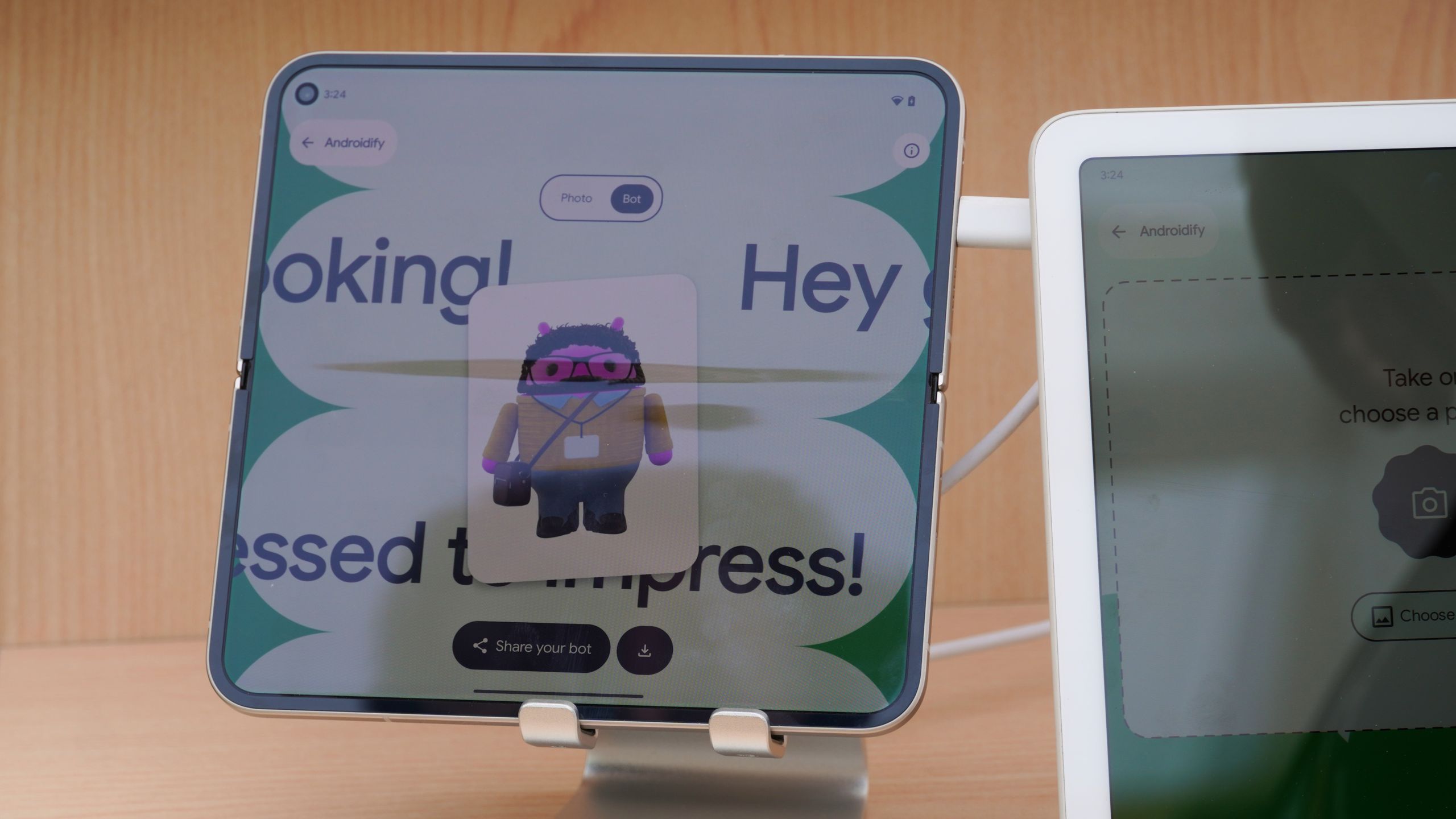
Google Extends Personalization Push to Wear OS with Androidify Integration
MOUNTAIN VIEW, Calif. – Google is deepening its bet on personalization as a key differentiator in the increasingly competitive smartwatch market. The tech giant is rolling out an update to its Androidify app, allowing users to transform selfies into custom Android bot watch faces for Wear OS devices. The move, announced Tuesday, builds on features showcased earlier this year at Google I/O and represents a broader strategy to leverage artificial intelligence – specifically its Gemini and Imagen models – to enhance user engagement and stickiness within its ecosystem.
AI-Powered Customization: A Growing Market Trend
The Androidify update isn’t simply a novelty feature; it taps into a growing consumer demand for personalized experiences. Across industries, businesses are recognizing the value of customization in fostering brand loyalty and driving sales. A recent report by McKinsey & Company found that 71% of consumers expect companies to deliver personalized interactions, and 76% get frustrated when companies don’t. Google’s move reflects this trend, aiming to provide Wear OS users with a unique and visually engaging way to express their individuality.
The functionality works by utilizing Gemini 2.5 Flash to interpret user prompts and Imagen to generate the customized bot image from a user-submitted selfie. Users can then transfer the creation to their watch face “in seconds,” according to Google. The company is also providing developers with an API, dubbed “Watch Face Push,” to integrate similar personalization features into their own Wear OS applications. This opens the door for a potentially vibrant ecosystem of custom watch faces and experiences.
Developer Ecosystem and the ‘Watch Face Push’ API
Google’s decision to open up the platform to developers is strategically important. While the initial Androidify integration is a compelling consumer-facing feature, the long-term success hinges on a robust developer community creating a diverse range of personalized watch faces. The “Watch Face Push” API allows developers to dynamically generate watch faces within their phone apps and seamlessly push them to the user’s Wear OS device. This streamlined process reduces friction and encourages experimentation.
This move also aligns with Google’s broader efforts to bolster the Wear OS platform, which has historically lagged behind Apple’s watchOS in market share. According to data from the International Data Corporation (IDC), Apple held 29.3% of the smartwatch market in the third quarter of 2023, while Wear OS accounted for just 10.3%. Increasing the appeal of Wear OS through innovative features like Androidify is crucial for Google to gain ground in this rapidly expanding market. The global smartwatch market is projected to reach $93.6 billion by 2028, growing at a CAGR of 13.7% from 2023, according to Statista, making it a key battleground for tech giants.
The Regulatory Landscape and Data Privacy
As with any AI-powered feature that relies on user data – in this case, selfies – data privacy concerns are paramount. Google’s handling of biometric data is subject to increasing scrutiny from regulators worldwide. The European Union’s General Data Protection Regulation (GDPR) and similar legislation in other jurisdictions impose strict requirements on the collection, processing, and storage of personal data. Google’s privacy policy outlines how it handles user data, but ongoing vigilance and transparency are essential to maintain user trust. The company will need to demonstrate that it is adhering to all applicable regulations and protecting user privacy when utilizing the Androidify feature.
The Androidify app was initially relaunched in September as part of a larger Android update that also included music sharing capabilities. Google showcased the feature at its I/O conference earlier in the year, highlighting its potential to transform the user experience. Android Central’s Brady Snyder demonstrated the feature during I/O, creating a custom blue Android bot avatar. The company has also experimented with short animated versions of the Android bots, released on Fridays throughout September, further demonstrating its commitment to the feature.
Beyond Novelty: The Economic Implications of Personalized Tech
The Androidify update represents more than just a fun gimmick. It’s a strategic move by Google to leverage the power of AI and personalization to drive engagement and differentiate its Wear OS platform. By empowering users to create unique and expressive watch faces, Google is fostering a sense of ownership and connection with its products. This, in turn, can lead to increased user loyalty and a stronger competitive position in the smartwatch market. The success of this initiative will likely influence Google’s approach to personalization across its other product lines, potentially paving the way for similar features in Android, Chrome, and other key applications. The company’s investment in AI-driven customization signals a broader trend in the tech industry, where personalization is increasingly seen as a key driver of growth and innovation.
Learn more about Androidify from Google’s official blog.
Read Android Central’s coverage of the September Android update.
Explore the technical details of the Watch Face Push API on the Android Developers Blog.