Dubai Flooding: Heavy Rain & Safety Alert – UAE Weather Update
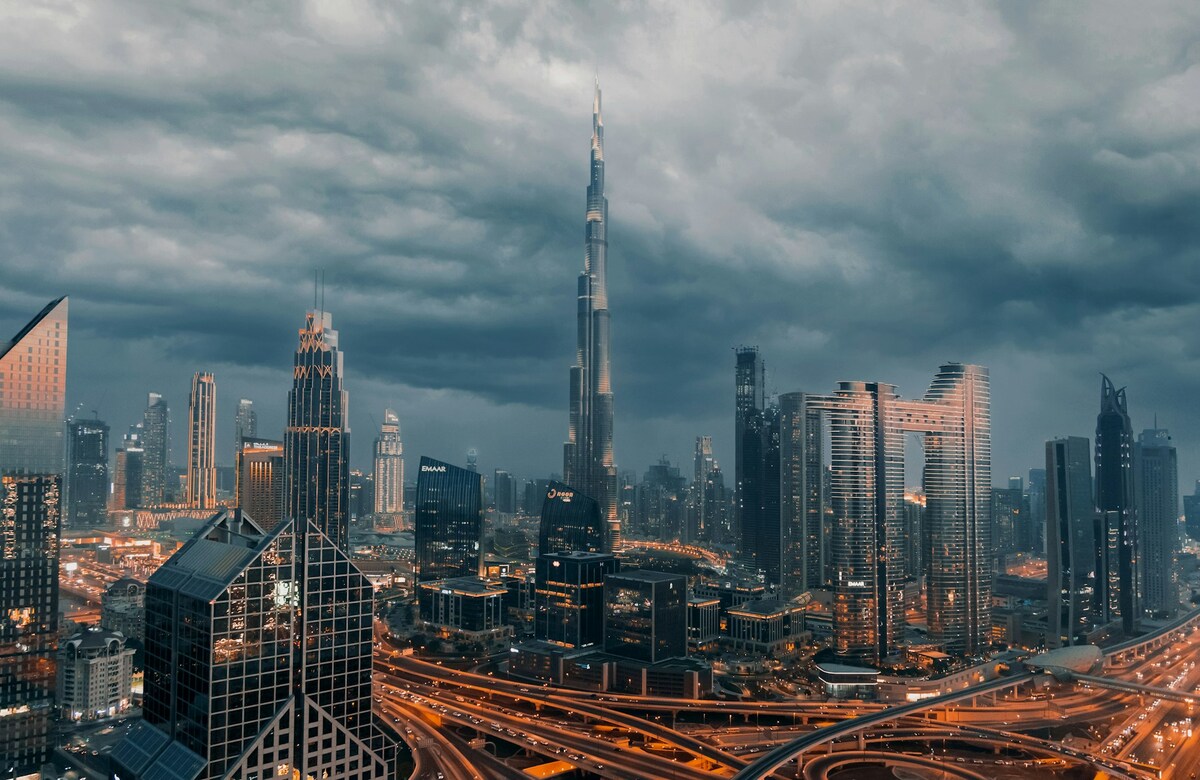
Dubai Braces for Economic Disruption as Severe Rainfall Threatens Business Activity
Dubai, a global hub for trade, tourism, and finance, is once again facing significant disruption as heavy rainfall descends upon the United Arab Emirates (UAE). Authorities have urged residents to limit outdoor activity until midday Friday, echoing concerns from last year’s record-breaking downpours that severely impacted key economic sectors. The current weather event, while still unfolding, raises questions about the region’s infrastructure preparedness and the potential for escalating economic losses as climate change intensifies.
The immediate impact is already being felt. Streets across Dubai are experiencing flooding, and an Arab Cup match in neighboring Qatar was cancelled Thursday due to similar conditions. While the full extent of the damage remains unclear, the memories of April 2023 – when the UAE experienced its heaviest rainfall in 76 years – are fresh, and the economic fallout was substantial.
Infrastructure Vulnerabilities and the Cost of Disruption
Last year’s floods exposed critical vulnerabilities in Dubai’s infrastructure, particularly its drainage systems. The lack of adequate storm drains transformed streets into rivers, effectively paralyzing transportation networks and disrupting supply chains. Reuters reported widespread travel chaos, with Dubai International Airport, the world’s busiest hub for international passengers, experiencing significant operational setbacks. The airport handles over 86.9 million passengers annually, making even a short-term shutdown a major economic blow.
The economic consequences extended beyond travel. Businesses faced closures, logistical bottlenecks, and increased insurance claims. The UAE’s economy, heavily reliant on tourism and re-export trade, experienced a noticeable slowdown. While official figures quantifying the total economic loss from the 2023 floods are difficult to pinpoint, analysts estimate the disruption cost the UAE billions of dollars in lost revenue and recovery expenses. The World Bank estimates the UAE’s GDP at approximately $509.6 billion in 2022, highlighting the scale of potential economic impact from widespread disruption.
Climate Change and the Rising Insurance Burden
The increasing frequency and intensity of extreme weather events in the region are directly linked to global warming. A study by the World Weather Attribution (WWA) group concluded that fossil fuel emissions “most likely” exacerbated the intense rains that lashed the UAE and Oman last year. This finding underscores the urgent need for climate mitigation strategies and adaptation measures.
For the insurance industry, the situation presents a growing challenge. Reinsurance rates for properties in the UAE are expected to rise significantly following last year’s floods and the current weather event. This increased cost of insurance will inevitably be passed on to businesses and consumers, adding to inflationary pressures. According to a recent report by Swiss Re, global economic losses from natural catastrophes totaled $120 billion in 2023, with a significant portion attributed to extreme rainfall events. This trend is projected to continue, placing further strain on the global insurance market.
Policy Responses and Investment in Resilience
The UAE government has acknowledged the need to invest in infrastructure improvements to enhance the country’s resilience to extreme weather. Plans are underway to upgrade drainage systems, improve flood forecasting capabilities, and implement stricter building codes. However, the scale of the challenge is immense, and progress is likely to be gradual. The UAE’s commitment to diversifying its economy away from oil, as outlined in its UAE Vision 2030, is also relevant. A more diversified economy is inherently more resilient to localized disruptions.
Furthermore, the UAE is actively promoting sustainable development initiatives and investing in renewable energy sources as part of its commitment to reducing carbon emissions. The country hosted the COP28 climate summit in December 2023, signaling its commitment to global climate action. However, translating these commitments into tangible results will require sustained effort and international cooperation.
Implications for Businesses and Investors
The current weather event serves as a stark reminder of the risks associated with operating in regions vulnerable to climate change. Businesses with operations in the UAE should conduct thorough risk assessments and develop contingency plans to mitigate potential disruptions. This includes diversifying supply chains, investing in business continuity measures, and securing adequate insurance coverage. Investors should also factor climate risk into their investment decisions, considering the long-term implications of extreme weather events on asset values and profitability.
The UAE’s economic future is inextricably linked to its ability to adapt to a changing climate. While the country possesses significant financial resources and a strong commitment to innovation, addressing the challenges posed by extreme weather will require a concerted effort from government, businesses, and individuals alike. The coming days will be critical in assessing the full extent of the current disruption and determining the long-term economic consequences.